U.S. President Donald Trump is considering the possibility of launching a new military operation against Iran as senior American military officials prepare potential courses of action for the administration. The discussions come amid renewed tensions in the Middle East and growing concerns that the conflict between Washington and Tehran could escalate once again.
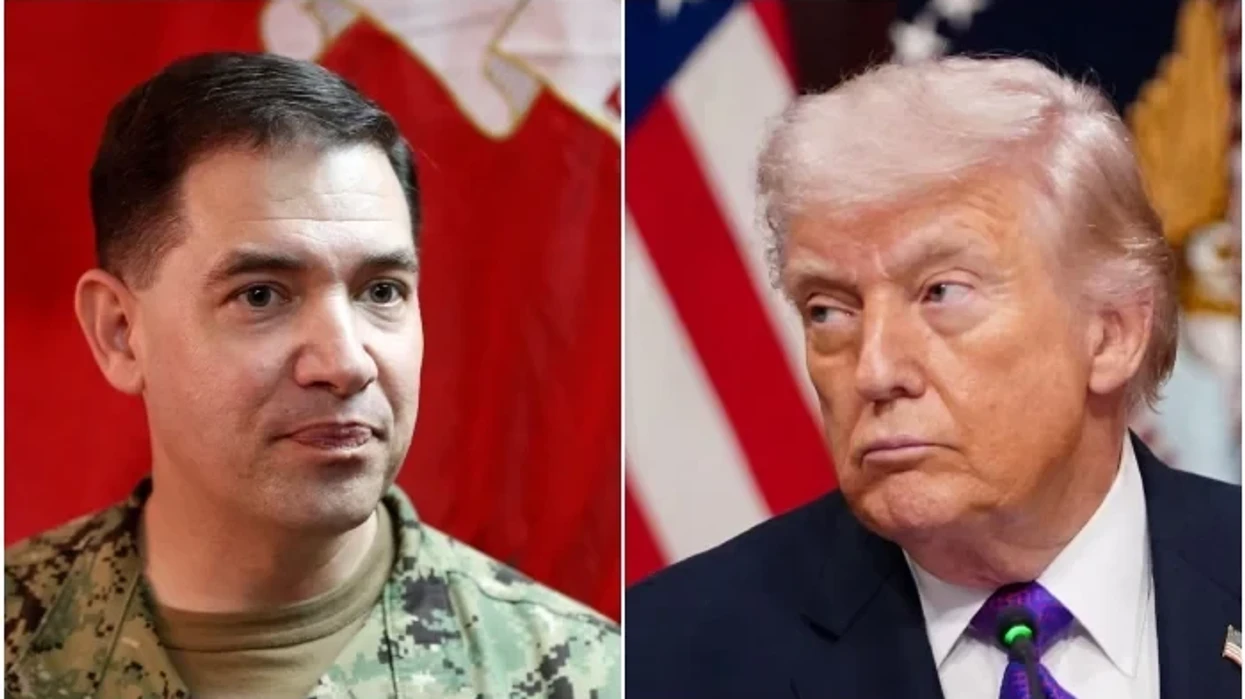
Admiral Brad Cooper, commander of U.S. Central Command (CENTCOM), briefed Trump on possible military options targeting Iran during a meeting at the White House on Thursday, according to The Wall Street Journal, which cited U.S. officials and people familiar with the discussions.
The meeting brought together several of the administration’s most senior national security and military figures, including Defense Secretary Pete Hegseth and General Dan Caine, chairman of the Joint Chiefs of Staff. Other members of Trump’s cabinet also participated in the discussions, highlighting the importance the administration is placing on its assessment of the situation.
The Thursday meeting was part of a broader series of high-level discussions involving the president and his national security team. According to the Wall Street Journal, senior military officials had already held a separate meeting with Vice President JD Vance on Wednesday to discuss the situation.
Admiral Cooper’s briefing reportedly focused on possible military responses involving Iran. As head of CENTCOM, he oversees U.S. military operations across a region that includes the Middle East, making his assessment particularly important as tensions with Tehran continue.
The military options presented to Trump could help the administration evaluate how American forces might respond if diplomatic efforts fail or if developments in the region create additional security concerns.
Although details of the proposed plans have not been made public, the discussions come against the backdrop of an increasingly complicated security environment. Washington must consider not only the potential impact of another military operation but also the possibility of Iranian retaliation against American personnel and facilities throughout the region.
Washington Considers Another Military Campaign Against Tehran
The latest discussions follow American and Israeli airstrikes against Iranian targets earlier this year, which marked a significant escalation in the confrontation between Iran and its regional adversaries.
Those operations raised concerns about the possibility of a wider conflict involving additional countries and armed groups across the Middle East. Any decision to launch another military campaign could further complicate an already fragile security situation.
A new operation could involve different objectives and levels of military engagement, depending on the circumstances and the targets being considered. However, even a limited campaign could trigger a response from Tehran, potentially placing American forces and regional allies at greater risk.
Iran has previously warned that it would respond to attacks against its territory and interests. Such warnings are particularly relevant because the United States maintains military installations and personnel in several countries across the Middle East.
U.S. Strengthens Its Military Presence in the Middle East
While senior officials discuss possible military action, the United States has also been increasing its defensive capabilities in the Middle East.
In recent weeks, Washington has moved additional air defense systems, ammunition and other military supplies into the region, according to the Wall Street Journal report.
Air defense systems are particularly important in a region where military installations could face threats from missiles, drones and other forms of aerial attacks. Additional ammunition and supplies can also help ensure that American forces are prepared to respond if the security situation deteriorates.
The buildup does not necessarily indicate that a new offensive operation is imminent. Military reinforcements can also serve a defensive purpose, allowing commanders to protect personnel, strengthen existing installations and maintain the ability to respond to unexpected developments.
Nevertheless, the increased military activity comes at a time when the administration is actively reviewing its options toward Iran, adding to speculation about Washington’s next move.
American Troops Moved Away From More Vulnerable Bases
Alongside the deployment of additional military equipment, the United States has reportedly begun relocating some personnel away from bases considered particularly vulnerable to a possible Iranian retaliation.
The movements appear to be part of precautionary measures intended to reduce the exposure of American troops if tensions escalate into another round of fighting.
U.S. military facilities across the Middle East could become potential targets in the event of a confrontation with Tehran. Relocating personnel from more exposed positions may therefore help limit the risks to American service members while allowing military operations to continue.
The United States must consider the security of its forces before making any major military decision, particularly in a region where retaliation could extend beyond the immediate targets of an operation.
What Happens Next in the U.S.-Iran Standoff?
For now, it remains unclear whether Trump will ultimately approve another military operation against Iran. The White House has been presented with potential military options, but the existence of those plans does not confirm that an attack has been authorized.
The increased deployment of defensive systems and the reported relocation of some American personnel suggest that the Pentagon is preparing for possible escalation, even as officials continue evaluating their options.
For Washington, the central question is whether additional military pressure would advance American interests or risk triggering a broader confrontation that could be difficult to contain.
With senior military commanders now briefing the president and American forces strengthening their defensive posture, the next steps in the U.S.-Iran standoff could prove consequential for the entire Middle East.