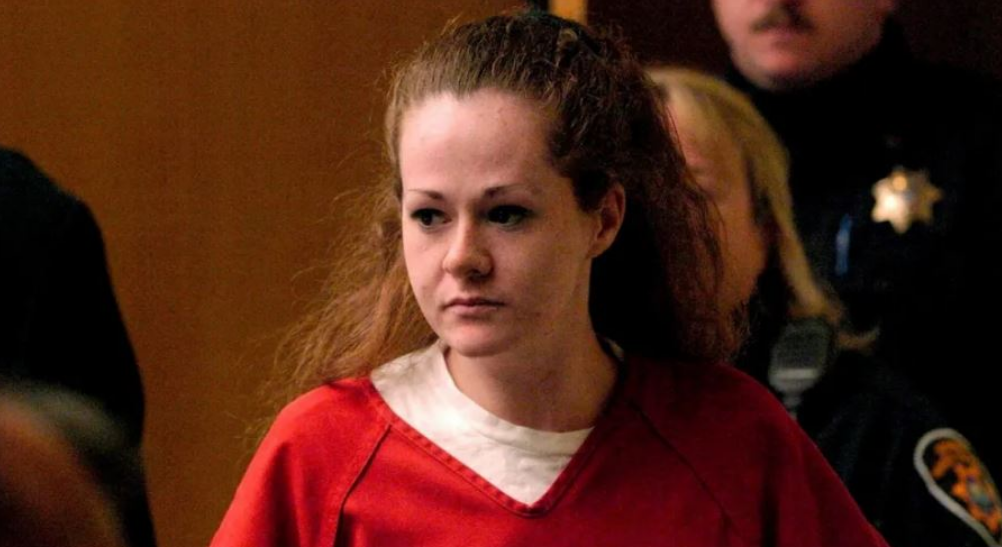
Christa Pike has spoken publicly for the first time since surviving a botched execution in Tennessee, describing the physical pain and psychological suffering she has experienced in the month following the failed attempt to put her to death.
In a statement released Friday by her legal team, Pike said she has been living with constant pain ever since prison officials attempted to execute her using a lethal dose of the drug pentobarbital on September 30. The 50-year-old said the effects of the procedure have continued to affect her ability to speak, move comfortably and cope with what happened.
“My body hurts, my arms, my hands and my throat. I still have difficulty speaking. But the pain is not only physical. There is pain in my mind and soul,” Pike said in her first public comments since the incident.
Pike was scheduled to be executed on September 30 at a correctional facility in Tennessee. She had been sentenced to death for the 1995 murder of her former classmate, Colleen Slemmer, a crime committed when Pike was just 18 years old.
According to reports surrounding the incident, members of the execution team spent approximately 60 minutes attempting to establish an intravenous line through which the lethal drug could be administered.
The difficulties continued as officials struggled to gain reliable access to a vein. The procedure ultimately failed, and Pike survived the attempt.
The incident was particularly unusual because executions by lethal injection are designed to deliver a series of drugs or a specified lethal substance through an intravenous line. When medical access cannot be established, the procedure can become significantly more complicated.
For Pike, the consequences extended far beyond the execution chamber. Instead of being pronounced dead, she was transported for emergency medical treatment, beginning an entirely different and unexpected chapter in her life.
Ten Days in Intensive Care After the Failed Procedure
Following the botched execution, Pike spent approximately 10 days receiving intensive medical treatment in a hospital.
The treatment was necessary after she had been exposed to a large dose of pentobarbital, a powerful barbiturate used in certain execution protocols. The drug is intended to produce profound unconsciousness and suppress vital functions when administered in a lethal quantity.
She described persistent discomfort in several parts of her body, particularly her arms, hands and throat. Her difficulty speaking has also remained a significant problem, illustrating that the effects of the failed execution are continuing weeks after the incident.
After leaving the hospital, she was returned to the Debra Johnson Rehabilitation Center in Nashville, where she remains in state custody.
Pike Says Isolation Has Added to Her Suffering
Beyond her physical injuries, Pike described the emotional and psychological consequences of surviving an execution she believed would end her life.
She said she had prepared herself to die on September 30 and had accepted what she thought would be her final moments. Instead, she woke up in a hospital, alone, confused and in considerable pain.
The experience has left her struggling to understand why she survived and what her future will look like.
Her statement also drew attention to the conditions under which she is currently being held. Pike said she is spending much of her time in isolation, with limited opportunities for human contact.
For someone who has already spent decades in prison, the separation from other people represents another significant source of distress.
Pike spent the first 28 years of her incarceration on Tennessee’s death row. That period of her life was already marked by restrictive conditions and limited contact with the outside world.
Now, following the failed execution, she says she is once again experiencing a form of isolation that is affecting her emotional well-being.
Tennessee Suspends Executions Following the Incident
The failed execution quickly became a major issue in Tennessee, attracting attention from legal experts, death penalty opponents and officials responsible for overseeing the state’s correctional system.
Republican Governor Bill Lee ordered a temporary suspension of further executions while an independent investigation examines what happened during Pike’s scheduled execution.
The investigation is expected to examine the circumstances surrounding the failed intravenous access, the actions taken by the execution team and whether established procedures were properly followed.
The outcome could have implications beyond Pike’s individual case, particularly if investigators identify broader problems with the state’s lethal injection protocols.
Tennessee has faced scrutiny over its execution procedures before, making the latest incident especially significant for the state’s death penalty system.
Governor Lee has indicated that he expects Pike’s death sentence to remain in place unless a court decides otherwise. However, the legal consequences of the failed execution remain uncertain.
Her attorneys could continue to challenge the circumstances surrounding the attempt, while the investigation may provide additional information that could influence future legal proceedings.
What Happens to Christa Pike Now?
For the moment, Pike remains incarcerated while recovering from the medical consequences of the September 30 incident.
There is no clear indication of when, or whether, Tennessee will make another attempt to carry out her death sentence. The investigation and any subsequent court decisions are likely to play an important role in determining what happens next.
Her case also raises difficult legal and ethical questions about what should happen when an execution is attempted but fails.
Questions surrounding medical complications, the treatment of prisoners following unsuccessful executions and the possibility of another attempt are likely to remain central to the debate.
In her statement, Pike expressed gratitude to the doctors, nurses, attorneys and other people who supported her during the ordeal.
She acknowledged that recovery would take time and said she was trying to find the strength to move forward one day at a time.
She also spoke about the importance of kindness from people who had reached out to remind her that she was not alone.
For Pike, surviving the execution has not brought an immediate sense of relief or certainty. Instead, she now faces a difficult recovery, continued incarceration and an uncertain legal future.