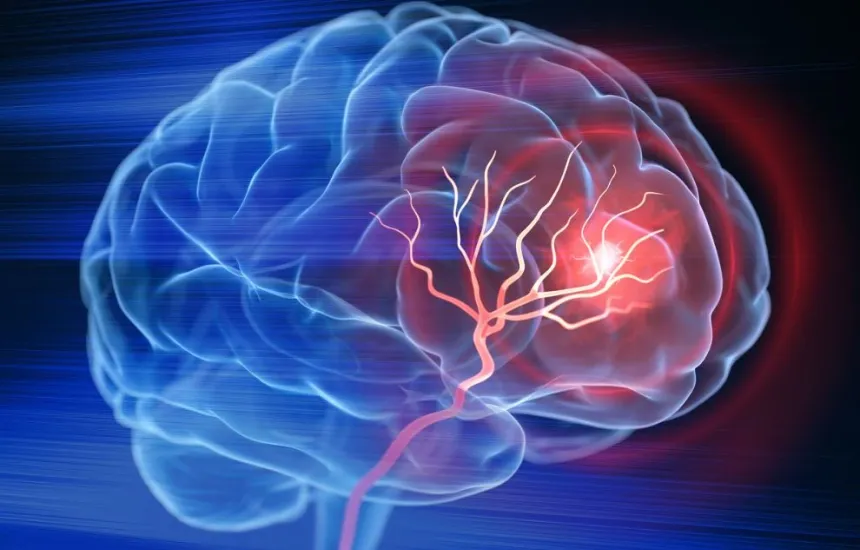
A stroke is often associated with older adults, but medical experts are increasingly warning that younger people are not as protected as many might think. More adults under the age of 65 are experiencing strokes, and some of the contributing factors may be far less obvious than high blood pressure, diabetes, or obesity.
For many people, the idea of suffering a stroke in their 30s or 40s seems almost unimaginable. However, medical evidence suggests that age alone does not determine a person’s risk. Everyday habits, underlying health conditions, and even seemingly harmless symptoms can play a role in the health of the brain and the blood vessels that supply it.
The experience of Claire Arnopp, a British mother of three, is a reminder of how unexpectedly a stroke can happen. She was just 39 when she began experiencing symptoms that would eventually reveal a serious medical emergency.
According to The Telegraph, her experience highlights a growing concern among health professionals: strokes are not exclusively an older person’s condition.
Figures cited from the U.S. National Institutes of Health indicate that stroke cases among middle-aged adults have increased by 44 percent over the past decade. While traditional risk factors remain important, specialists are also drawing attention to less familiar circumstances that may contribute to the problem.
Professor Deb Lowe, a stroke specialist, has explained that although the likelihood of having a stroke increases with age, approximately one in four strokes now occurs in people under 65.
Understanding the potential warning signs and less obvious risk factors could help more people recognize when they need medical attention.
A Stroke at 39: One Woman’s Unexpected Experience
Her symptoms began with an unusual sensation in her back, which she initially had difficulty understanding. Shortly afterward, she noticed that she could no longer hold her phone properly.
When she dropped it, she realized something was seriously wrong. Her hand had lost its normal strength, and she struggled to close it into a fist. Soon, the left side of her face became numb, while speaking became increasingly difficult.
Her experience illustrates why recognizing stroke symptoms is so important, particularly among younger adults who may not immediately consider a stroke when something unusual happens.
Doctors commonly use the FAST method to help people recognize the most recognizable warning signs:
- Face: One side of the face may droop or become numb.
- Arms: A person may struggle to raise or control one arm.
- Speech: Speech may become slurred, confused, or difficult to understand.
- Time: Emergency medical assistance should be called immediately.
Other symptoms can include sudden vision problems, dizziness, loss of balance, severe headaches, or weakness on one side of the body.
Even if symptoms disappear after a short period, they should never be ignored, as they could indicate a transient ischemic attack, sometimes called a mini-stroke.
5 Unexpected Factors That May Increase Stroke Risk
High blood pressure, smoking, diabetes, and excess weight are widely recognized contributors to stroke risk. However, specialists are also highlighting several less obvious factors that deserve attention.
Some may involve conditions that people experience regularly without realizing their potential connection to cardiovascular health.
1. Migraine With Aura
Migraine is often considered a painful but relatively manageable neurological condition. However, migraines accompanied by aura may have a more significant connection to stroke risk.
Aura refers to temporary neurological symptoms that can occur before or during a migraine. These may include flashing lights, shimmering patterns, blind spots, unusual sensations, tingling, or temporary difficulties with speech.
Research has found an association between migraine with aura and an increased risk of ischemic stroke. This type of stroke occurs when a blood clot or another blockage prevents blood from reaching part of the brain.
Some studies suggest that people experiencing migraines with aura may have nearly twice the risk of ischemic stroke compared with those who do not experience this type of migraine.
Hormonal contraceptives containing estrogen may also require special consideration, as their use can increase stroke risk in certain individuals, particularly when combined with migraine with aura.
2. Loud Snoring and Sleep Apnea
Regular, unusually loud snoring may be more than an inconvenience for someone sharing a bedroom.
In some cases, it can be a warning sign of obstructive sleep apnea, a condition in which breathing repeatedly stops and starts during sleep.
These interruptions can reduce oxygen levels in the blood and place additional strain on the cardiovascular system. Over time, untreated sleep apnea may contribute to high blood pressure, irregular heart rhythms, and other problems associated with stroke risk.
Maeva May of the Stroke Association has highlighted loud snoring, observed pauses in breathing during sleep, and persistent daytime tiredness as reasons to seek medical advice.
Other possible warning signs include waking up with headaches, struggling to concentrate, and feeling exhausted despite spending enough time in bed.
A doctor may recommend a sleep assessment to determine whether breathing interruptions are occurring during the night.
Identifying and treating sleep apnea can improve sleep quality and help address some of the associated cardiovascular risks.
3. Neck Injuries and Sudden Movements
Physical activity is generally beneficial for cardiovascular health, but certain injuries involving the neck can occasionally create serious complications.
One potential problem is a condition known as cervical artery dissection. It occurs when a tear develops in the inner lining of an artery in the neck that supplies blood to the brain.
Blood can enter the damaged area, potentially creating a clot that may travel toward the brain and cause an ischemic stroke.
Such injuries are sometimes associated with sudden neck movements, physical trauma, or activities involving significant strain.
High-intensity sports, heavy weightlifting, contact sports, and certain movements that involve excessive neck extension have all been discussed in connection with these injuries.
Some yoga positions that place the neck under unusual pressure may also be a concern, particularly when performed without proper preparation or supervision.
The key is to increase intensity gradually, use proper technique, avoid forcing the neck into uncomfortable positions, and pay attention to unusual symptoms following an injury.
4. Air Pollution
Air pollution is another factor that may influence stroke risk, even though people often associate it primarily with respiratory illnesses.
Tiny airborne particles, particularly fine particulate matter, can enter the lungs and contribute to inflammation throughout the body. Some pollutants can also affect the cardiovascular system, influencing blood pressure and the functioning of blood vessels.
Over time, exposure to polluted air has been associated with a higher risk of cardiovascular disease, including stroke.
The concern is not limited to people who live in heavily industrialized cities. Traffic emissions, construction dust, smoke, and other environmental pollutants can contribute to exposure in residential neighborhoods and workplaces.
Both short-term exposure to high pollution levels and prolonged exposure over several years may have consequences for cardiovascular health.
Unlike smoking or physical inactivity, air pollution is not always something individuals can control directly.
Reducing emissions, improving public transportation, monitoring air quality, and introducing stronger environmental protections are therefore important parts of addressing this risk.
For individuals, checking local air quality reports and limiting strenuous outdoor activity when pollution levels are particularly high may help reduce exposure.
5. Sitting for Too Many Hours Each Day
Spending most of the day sitting behind a desk may seem harmless, especially for people who exercise occasionally.
However, long periods of inactivity can affect circulation, metabolism, and overall cardiovascular health.
According to research cited in the original report, sitting for approximately 13 hours a day or longer has been associated with a 44 percent higher risk of stroke.
Extended sedentary periods can contribute to weight gain, elevated blood sugar, unhealthy cholesterol levels, and high blood pressure. These conditions are all associated with an increased risk of cardiovascular problems.
Maeva May has emphasized that middle age often coincides with years of office-based work, making regular movement throughout the day especially important.
Simple changes can include:
- Standing up and walking around regularly during working hours.
- Taking short walking breaks between tasks.
- Using the stairs instead of elevators when practical.
- Walking during phone calls.
- Avoiding long periods of uninterrupted sitting.
- Including regular physical activity in the weekly schedule.
Health authorities generally recommend that adults aim for at least 150 minutes of moderate-intensity physical activity each week.
How to Reduce Your Risk of Having a Stroke
Although some stroke risk factors cannot be controlled, many are influenced by everyday decisions and medical conditions that can be identified and treated.
Professor Deb Lowe has emphasized the importance of regular physical activity, avoiding tobacco products, limiting alcohol consumption, and following a balanced diet.
A Mediterranean-style eating pattern is one approach frequently recommended for cardiovascular health. It emphasizes vegetables, fruits, whole grains, legumes, nuts, fish, and healthy fats, particularly olive oil.
Beyond lifestyle changes, monitoring existing health conditions is equally important.
High blood pressure is one of the most significant modifiable risk factors for stroke. Because it often produces no noticeable symptoms, people may have elevated blood pressure without knowing it.
High cholesterol, diabetes, and certain heart rhythm disorders can also increase the likelihood of developing blood clots or experiencing damage to blood vessels.
Atrial fibrillation, for example, is an irregular heart rhythm that can allow blood clots to form in the heart and potentially travel to the brain.
Regular medical checkups can help identify these conditions before they lead to more serious complications. When necessary, doctors can recommend medication, lifestyle adjustments, or other treatments to manage the underlying risks.
Why Younger Adults Should Not Ignore Stroke Warning Signs
Although many risk factors can be reduced through healthier habits and appropriate medical care, not every stroke can be prevented. Some occur in people who appear healthy and have no obvious warning signs.
Recognizing symptoms quickly and seeking emergency treatment can make a critical difference. Stroke treatments are often time-sensitive, and delays can increase the risk of permanent brain damage.
Ultimately, protecting brain health involves more than simply waiting until old age to start paying attention. Understanding less obvious risk factors, staying physically active, managing existing health conditions, and recognizing sudden neurological changes are important steps at every stage of adulthood.