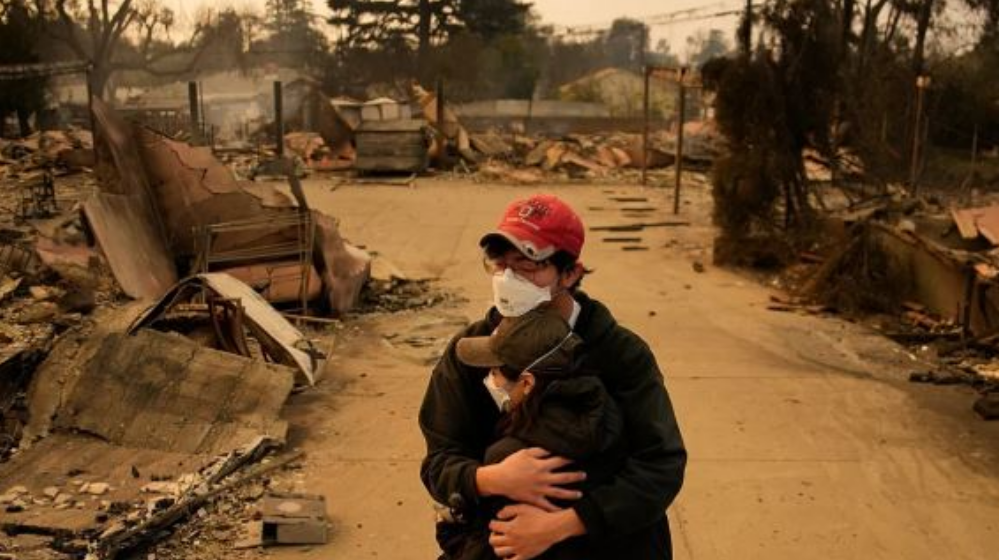
Climate change should be officially declared a global health emergency, according to a major new report warning that its effects on human health are accelerating faster than efforts to contain them. Researchers are urging the World Health Organization (WHO) and the United Nations (UN) to take decisive action as extreme heat, droughts, wildfires and severe weather events increasingly threaten lives worldwide.
The latest findings from Lancet Countdown, an international research collaboration that monitors the connections between climate change and human health, suggest that existing measures are no longer sufficient to protect vulnerable populations from mounting environmental risks.
The report highlights a widening gap between the growing health consequences of climate change and the speed of the international response. Despite years of climate negotiations and commitments to reduce greenhouse gas emissions, global temperatures continue to rise, while the health risks associated with extreme weather are becoming more pronounced.
A formal declaration could also encourage stronger cooperation between countries, health authorities and international organizations, helping them prepare for climate-related emergencies and respond more effectively when they occur.
The authors warn that the need for action is becoming increasingly urgent as populations grow and age. Older adults, people with existing health conditions, outdoor workers and communities with limited access to healthcare are particularly vulnerable to rising temperatures and other climate-related hazards.
“As populations grow and age, more people are at risk today than a decade ago,” the authors write, highlighting the growing need to adapt health systems to climate change.
What a Global Health Emergency Declaration Could Change
Stronger Health Monitoring and Early-Warning Systems
One priority would be to improve surveillance systems capable of identifying emerging health threats before they develop into larger emergencies. Better monitoring could help authorities anticipate heat-related illness, track climate-sensitive diseases and identify communities most at risk.
Early-warning systems could also give people more time to prepare for dangerous heatwaves, floods and other extreme weather events. Health agencies could use these warnings to issue public guidance, prepare hospitals and direct assistance toward vulnerable populations.
Faster Mobilization of Resources
A coordinated emergency framework could help governments and international organizations direct financial and medical resources toward areas facing the greatest risks.
Hospitals, emergency services and public health agencies may need additional staff, equipment and infrastructure to cope with the consequences of increasingly frequent extreme weather events. In regions where healthcare systems are already under pressure, climate-related emergencies can make existing challenges even more difficult to manage.
The researchers also point to the importance of stronger accountability mechanisms and preventive public health measures, arguing that governments need clear responsibilities and practical plans rather than relying solely on broad climate pledges.
However, the precise legal and operational consequences of such a declaration would depend on how international institutions and national governments implemented it.
Climate-Related Health Risks Are Accelerating
The report indicates that health risks associated with climate change have increased since the Paris Agreement entered into force in 2016. In several areas, the pace of deterioration has accelerated compared with the previous decade.
These risks include dangerous heat exposure, droughts, extreme rainfall and other weather conditions that can directly or indirectly affect human health.
Heatwaves can place significant strain on the cardiovascular and respiratory systems, increase the risk of dehydration and worsen existing medical conditions. Extreme rainfall and flooding can damage homes, contaminate water supplies, disrupt healthcare services and increase the risk of certain infectious diseases.
Droughts can also threaten food production, reduce access to clean water and contribute to food insecurity. Meanwhile, wildfires can expose communities to harmful smoke particles, aggravating respiratory problems and increasing the burden on local healthcare services.
Researchers warn that the accelerating pace of these changes suggests current adaptation measures are not keeping up with the threat.
Rising Temperatures Are Taking a Growing Human Toll
One of the report’s most concerning findings involves the increasing number of deaths associated with extreme heat.
The report states that the 11 years leading up to its publication were the hottest on record, underscoring the scale of the warming trend. It also reports that annual heat-related deaths have increased by nearly 36% over recent decades.
In 2023 alone, heat was associated with a record estimated 710,000 deaths, according to the figures cited in the report. More than 70% of those deaths were attributed to human-caused climate change, the report estimates.
Extreme heat can be particularly dangerous for older adults, young children and people who work outdoors or lack access to cooling. People living in densely populated urban areas may face additional exposure because buildings, roads and other infrastructure absorb and retain heat.
The growing frequency of prolonged heatwaves also creates challenges for hospitals and emergency services, especially when several days of high temperatures leave vulnerable people with little opportunity to recover.
Although individual heat-related deaths can have multiple contributing factors, the report’s findings highlight the substantial role that human-driven warming is playing in increasing the risks.
The authors call for an immediate global halt to the exploration and development of new fossil fuel resources. Coal, oil and natural gas release greenhouse gases when burned, contributing to global warming and increasing the likelihood of dangerous climate conditions.
Phasing Out Coal Power by 2035
Another recommendation is the complete phaseout of coal-fired electricity generation by 2035.
Coal is one of the most carbon-intensive major sources of electricity. Moving away from it could reduce greenhouse gas emissions while also lowering air pollution associated with coal combustion.
Achieving this goal would require substantial investment in renewable energy, electricity storage, modern power grids and other reliable low-emission energy sources. Governments would also need to consider the economic consequences for workers and communities that depend on coal production.
Encouraging More Plant-Based Diets
The researchers also recommend shifting toward diets based primarily on plant-based foods.
Food production contributes to greenhouse gas emissions through livestock farming, land use, transportation and other activities. Diets containing more vegetables, legumes, whole grains and other plant-based foods can reduce the environmental footprint of food consumption, although the impact varies depending on production methods and individual dietary choices.
Such changes would complement broader efforts to make agriculture and food systems more sustainable.