An experimental personalized mRNA cancer vaccine has shown promising results in a late-stage clinical trial involving patients with melanoma, reducing the risk of cancer recurrence or death by 42% when combined with the immunotherapy drug Keytruda, compared with Keytruda alone.
The findings mark a potentially significant step forward in personalized cancer treatment, raising hopes that a new approach could help prevent melanoma from returning after surgery.
The results attracted considerable attention from oncologists and the public when news of the trial’s success emerged in August. At that point, however, the developers had not yet disclosed the full extent of the vaccine’s effectiveness.
Personalized Vaccine Shows Promising Results
The experimental vaccine, known as intismeran autogene until it receives a commercial brand name, is being developed by pharmaceutical companies Merck and Moderna.
Keytruda is an approved immunotherapy drug used to help the immune system fight cancer. Combining it with a personalized mRNA vaccine represents a different approach to treating melanoma, particularly in patients who have undergone surgery and face the risk of the disease returning.
Dr. Michael Postow, chief of the melanoma service at Memorial Sloan Kettering Cancer Center, told CNN that the findings stood out because of both the treatment’s effectiveness and its underlying mechanism.
“This new vaccine is something we have never seen before in terms of the efficacy it has demonstrated and the way it works,” Postow told CNN.
His comments reflect the interest surrounding the results as researchers explore how personalized vaccines could become part of future cancer treatment strategies.
How Does the Personalized mRNA Cancer Vaccine Work?
The experimental vaccine uses messenger RNA (mRNA) technology to help the immune system recognize features of a patient’s cancer. Unlike traditional vaccines designed to prevent infections, this approach is being developed as a treatment intended to reduce the likelihood of cancer returning after surgery.
Personalized cancer vaccines are designed around the specific characteristics of an individual’s tumor. By identifying certain proteins or markers associated with cancer cells, researchers aim to help the immune system recognize those cells and mount a targeted response against them.
The role of Keytruda is different but complementary. The drug belongs to a class of immunotherapies known as immune checkpoint inhibitors, which help restore the immune system’s ability to attack cancer. Combining this treatment with a personalized vaccine could potentially strengthen the body’s response against cancer cells that remain after surgery.
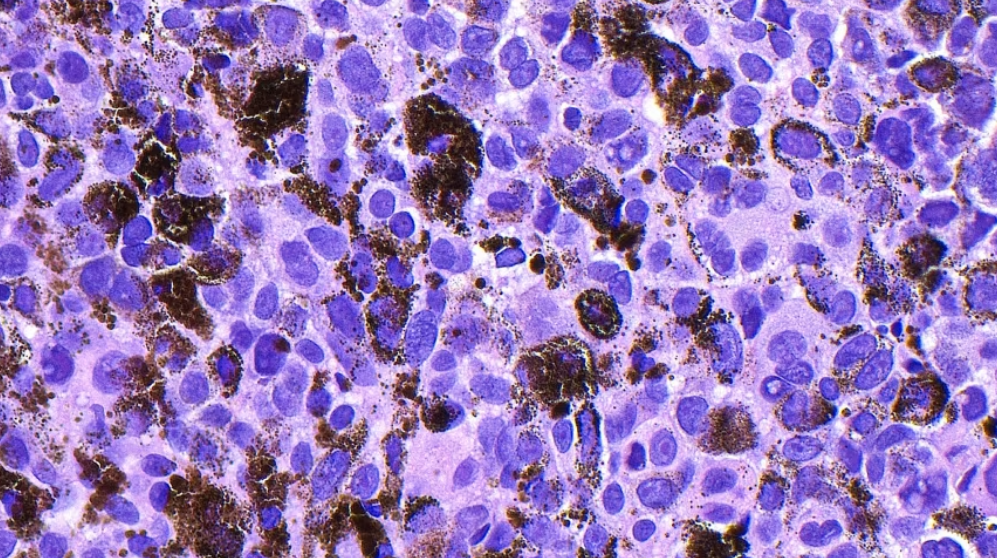
This strategy is particularly important in melanoma, an aggressive form of skin cancer that can spread to other parts of the body. Even after a tumor has been surgically removed, some patients remain at risk of recurrence. Researchers are investigating whether combining personalized vaccines with immunotherapy can help reduce that risk.
Although the latest clinical trial results are encouraging, further evaluation will be needed to establish the treatment’s long-term benefits, safety and suitability for broader use. The findings also do not establish that the same approach will work equally well against other cancers, which is why Merck and Moderna are continuing to investigate the technology in additional clinical trials.
Merck and Moderna Release Trial Data Ahead of Presentation
The results are scheduled to be presented in Madrid on Saturday at a meeting of the European Society for Medical Oncology.
Merck and Moderna released the findings early on Thursday after reports emerged that the data had appeared online before subsequently being removed.
The announcement provides further details about the experimental treatment’s performance and comes as the companies prepare for discussions about its potential regulatory pathway.
According to a joint press release, the developers are “working with regulatory authorities” following the trial results. Their statement suggests that an application for approval from the U.S. Food and Drug Administration could be submitted in the near future.
However, the vaccine remains experimental, and regulatory approval would be required before it could become an authorized treatment for patients in the United States.
Researchers Are Testing the Technology Against Other Cancers
The potential applications of personalized mRNA cancer vaccines extend beyond melanoma.
Merck and Moderna are also testing the technology in clinical research involving several other types of cancer, including lung and pancreatic cancer.
These studies could help determine whether the approach can deliver similar benefits across different diseases, although its effectiveness will need to be established separately for each cancer type.
For now, the melanoma findings represent an encouraging development in the effort to reduce the risk of cancer returning after surgery. If further research and regulatory reviews support the results, personalized mRNA vaccines could eventually offer an additional treatment option for patients at risk of recurrence.
The latest data have strengthened interest in the technology, but researchers will need to continue evaluating its benefits, safety and broader clinical applications before its role in cancer care becomes clear.