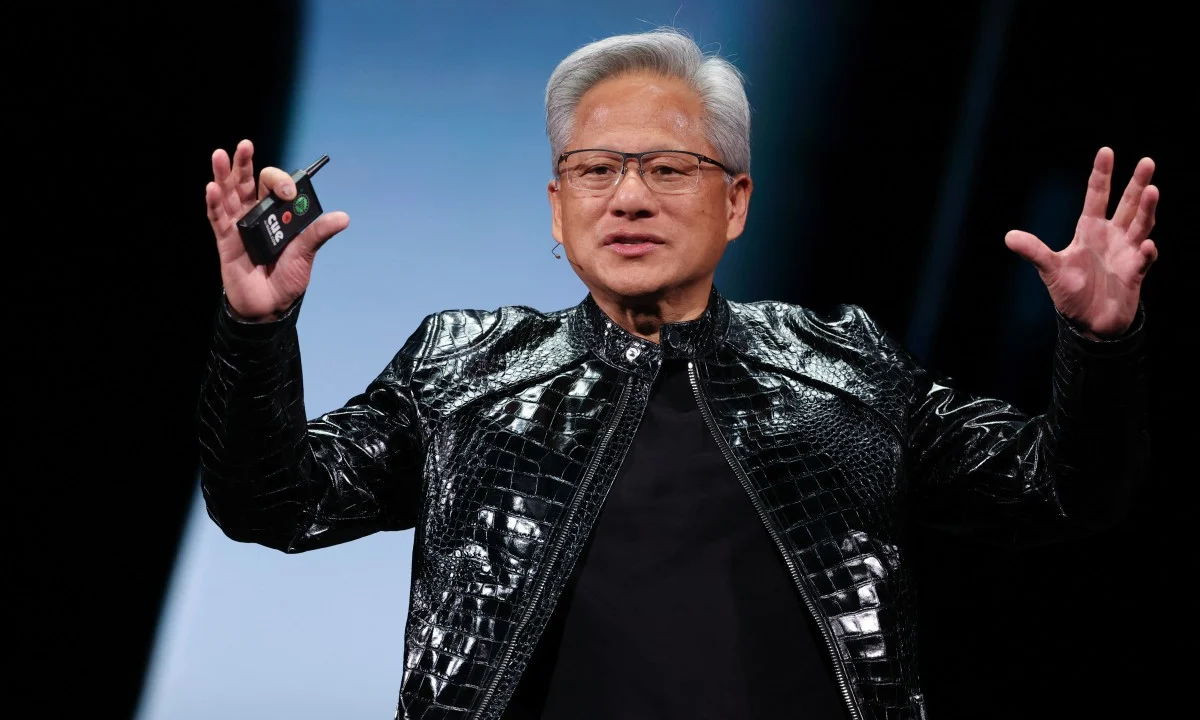
Jensen Huang has stepped down as chief executive of Nvidia following reports about two alleged extramarital relationships, including one involving a woman accused of having ties to Chinese intelligence, according to France 24. His departure brings an end to a 33-year leadership career at the artificial intelligence giant, which he co-founded and helped transform into one of the world’s most influential technology companies.
The controversy surrounding Huang, 63, has rapidly escalated, triggering concerns within Nvidia, questions about potential foreign intelligence activity and legal action from shareholders.
Huang, who has been married to Lori Huang for more than four decades, reportedly had two extramarital relationships. One allegedly involved Alice Huang, a former senior executive at Megaspeed, a Singapore-based company. The second relationship was reported by The New York Times and allegedly involved Kimberly Powell, Nvidia’s vice president of healthcare.
According to reports, she has suspected connections to China’s Ministry of State Security, the country’s principal civilian intelligence agency. Allegations concerning those connections were reportedly included in a U.S. intelligence memorandum, raising questions about whether Huang could have been exposed to a foreign intelligence operation.
Nvidia’s board had reportedly warned that Huang could have become the target of a foreign intelligence operation. The possibility has added a national security dimension to a controversy that initially centered on allegations concerning his personal relationships.
However, the reported intelligence connections remain allegations, and the available information does not establish that Huang knowingly participated in any espionage activity.
The second alleged relationship, involving Kimberly Powell, has also attracted attention because of her senior position within Nvidia. Powell serves as the company’s vice president of healthcare, placing her among its executives in a business area connected to Nvidia’s expanding technology operations.
Nvidia Faces Shareholder Lawsuits and Market Pressure
The controversy has created additional challenges for Nvidia, with shareholders raising concerns about whether they were adequately informed about potentially significant information involving the company’s leadership.
Investors have filed class-action lawsuits against Huang and Nvidia, alleging that important information concerning his relationships was not disclosed to shareholders.
Nvidia shares have also experienced a significant decline amid the controversy, reflecting the growing concerns surrounding the company and its leadership.
Following Huang’s resignation, Nvidia’s chief financial officer, Colette Kress, will assume the role of interim chief executive until a permanent successor is appointed.
Huang has also relinquished his position on Nvidia’s board of directors, ending his direct leadership involvement with the company he helped establish more than three decades ago.
The company occupies a central position in the artificial intelligence sector because its chips are widely used to develop and operate advanced AI systems. Nvidia’s processors have become essential components for technology companies investing heavily in artificial intelligence infrastructure.