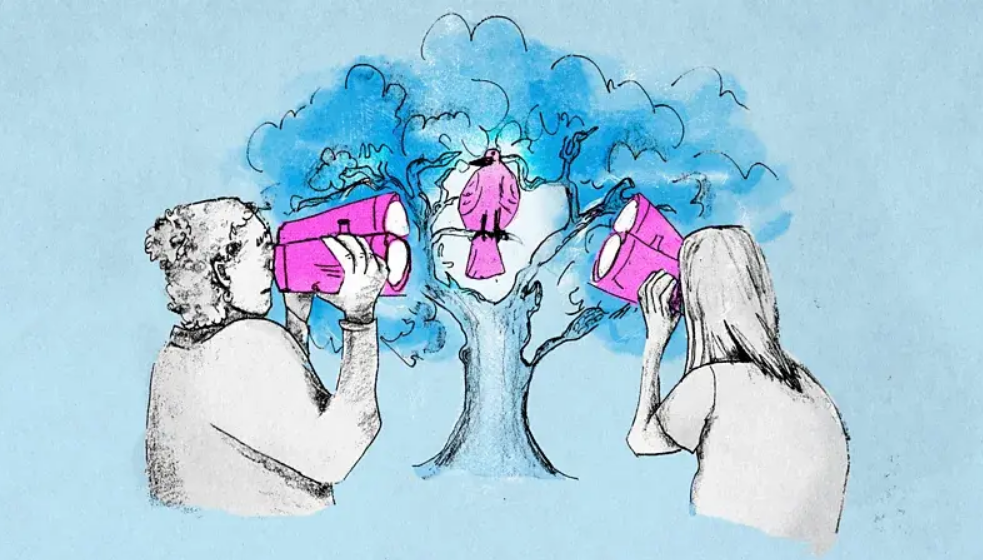
Birdwatching is often seen as a relaxing outdoor hobby, but emerging research suggests it may offer benefits that go far beyond enjoying nature. Paying attention to birds, identifying different species, and listening to their calls may stimulate the brain, support memory, and help people maintain important cognitive abilities as they age.
The activity is also gaining attention as a potential way to improve the well-being of older adults, including people living with dementia. Even something as simple as watching birds from a window can provide moments of enjoyment, encourage curiosity, and help people feel more connected to the world around them.
According to the BBC, birdwatching is increasingly being explored as a meaningful activity for older people and individuals experiencing cognitive difficulties. Researchers are also investigating how engaging with birds may influence the brain, with findings suggesting that learning to recognize different species could involve some of the same mental processes used when acquiring a musical instrument or developing a new physical skill.
Although birdwatching is not a proven treatment for dementia, the growing interest in its potential benefits highlights the important relationship between mental stimulation, nature, and healthy aging.
How Birdwatching May Change the Brain
The human brain remains capable of adapting throughout life. This ability, known as neuroplasticity, allows the brain to reorganize connections between nerve cells in response to learning, experience, and repeated mental activity.
Activities that challenge people to notice details, remember information, and recognize patterns can engage multiple areas of the brain. Birdwatching offers a combination of these challenges in a way that can be enjoyable rather than demanding.
Learning to Recognize Different Bird Species
For an experienced birdwatcher, identifying a bird may happen almost automatically. Beginners, however, must pay close attention to several details, including the bird’s size, color, shape, movement, and song.
Over time, they may learn to distinguish species that initially appear almost identical. This process requires observation, concentration, memory, and the ability to compare new information with previously learned knowledge.
Remembering where particular birds are commonly found or recognizing their calls also gives the brain opportunities to practice retrieving stored information.
These repeated mental exercises may help maintain cognitive engagement as people grow older. However, scientists would need stronger long-term evidence to determine whether birdwatching itself can slow age-related cognitive decline.
Why the Activity Resembles Learning Music or a Sport
Birdwatching combines several mental skills that are also involved in learning a musical instrument or developing a new athletic ability.
A musician must recognize sounds, remember sequences, and coordinate different actions. An athlete must observe changing situations, identify patterns, and respond appropriately. Birdwatchers similarly learn to interpret visual and auditory information while building a mental database of familiar species.
The challenge can increase gradually as participants become more experienced. Someone who begins by watching common garden birds might eventually learn to identify species by their calls or distinguish subtle differences in behavior.
This ongoing learning process provides a reason to remain curious and mentally active.
Nevertheless, the comparison does not mean birdwatching produces identical changes in the brain to music training or sports. It suggests that the activities share certain cognitive demands, while the specific effects depend on the individual and the activity.
Birdwatching and the Challenges of Dementia
Dementia affects memory, thinking, communication, and the ability to carry out everyday activities. As the condition progresses, activities that once felt simple may become confusing or frustrating.
For this reason, finding enjoyable experiences that remain accessible is an important consideration in dementia care. Birdwatching may offer an opportunity to engage with the environment without requiring complicated instructions or physical exertion.
How Watching Birds Can Support Emotional Well-Being
Watching birds can provide a calm and familiar experience. Their movements, colors, and sounds may attract attention and create opportunities for conversation between older adults, relatives, caregivers, and other residents in care facilities.
For someone who finds it difficult to participate in more demanding activities, observing a bird outside a window may offer a manageable way to remain engaged with the surrounding world.
The activity may also encourage positive emotions. Seeing a familiar robin return to a garden or hearing birds sing in the morning can create a small but meaningful moment of enjoyment.
These experiences can be especially valuable when dementia makes other forms of entertainment or communication more difficult.
However, responses vary from person to person. Birdwatching should be adapted to individual interests, abilities, and comfort levels rather than treated as a universal solution for dementia-related symptoms.
A Simple Activity That Can Encourage Social Connection
Birdwatching does not have to be a solitary hobby. Family members and caregivers can use it as an opportunity to spend time together, discuss what they see, or recall memories associated with gardens and wildlife.
For example, an older person might recognize a bird they remember seeing during childhood or describe a garden they once cared for. Even when detailed memories are difficult to retrieve, the shared experience can create opportunities for connection.
In care homes, bird feeders placed near windows can make wildlife easier to observe. Staff and residents can watch for visiting species, discuss changes in the seasons, or simply enjoy the activity together.
These interactions may help reduce feelings of isolation and provide a shared focus that does not depend on lengthy conversations.