The Amazon rainforest could face irreversible damage, coral reef ecosystems are under growing threat, and a major Atlantic Ocean current could approach collapse as global temperatures continue to rise. Scientists are warning that several of Earth’s most important natural systems are nearing critical thresholds, raising concerns about changes that could reshape the planet for centuries.
The growing danger is linked to global warming driven by emissions from fossil fuels. As heat accumulates in the atmosphere and oceans, ecosystems that help regulate the Earth’s climate are becoming increasingly vulnerable. Crossing certain temperature thresholds could trigger changes that continue even if global warming is eventually brought under control.
The latest scientific assessments indicate that the world is on course to exceed 1.5 degrees Celsius (2.7 degrees Fahrenheit) above pre-industrial temperatures in the coming years. These concerns are drawing renewed attention ahead of the United Nations climate negotiations known as COP31, which begin on November 9. Scientists are using the international discussions to highlight the growing urgency of reducing emissions and protecting natural systems before critical environmental thresholds are crossed.
Climate tipping points are critical thresholds within the Earth’s natural systems. They represent moments when gradual environmental changes can trigger much larger transformations, potentially pushing ecosystems into a new and sometimes irreversible state.
Unlike ordinary climate fluctuations, these changes can become self-reinforcing. Once a tipping point is crossed, the processes involved may continue independently, making it extremely difficult to restore the system to its previous condition.
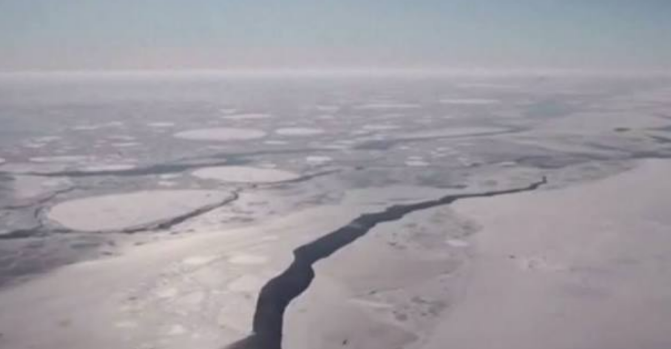
One example involves the loss of ice in polar regions. Ice and snow reflect a significant amount of sunlight back into space, helping regulate the planet’s temperature. When rising temperatures cause ice to melt, darker surfaces underneath become exposed. These surfaces absorb more heat, contributing to additional warming and further melting.
The Most Vulnerable Regions Facing Climate Tipping Points
The ice sheets covering Greenland and West Antarctica are among the most significant concerns for climate scientists.
Continued warming could push these enormous ice formations toward destabilization and eventual collapse. If substantial portions of the ice sheets were lost, global sea levels could rise by several meters over time, threatening coastal communities, infrastructure and low-lying regions around the world.
Because these ice formations respond slowly to temperature changes, the consequences of crossing a critical threshold could continue unfolding for centuries, even if global temperatures later stabilize.
Permafrost is soil that remains frozen for extended periods, often containing large amounts of organic material that has accumulated over thousands of years. As temperatures increase, this permanently frozen ground begins to thaw.
When the trapped organic matter decomposes, it can release methane, a powerful greenhouse gas that contributes to further warming.
This creates another potentially dangerous feedback loop: higher temperatures cause more permafrost to thaw, releasing additional greenhouse gases that intensify global warming and accelerate further thawing.
The Amazon rainforest is another ecosystem approaching a potentially dangerous threshold.
Rising temperatures, combined with deforestation, are placing increasing pressure on the tropical forest. If these conditions continue, parts of the Amazon could experience significant drying, threatening its biodiversity and its ability to function as one of the world’s most important natural carbon stores.
The rainforest plays a major role in regulating regional climate conditions and supporting an enormous variety of plant and animal species. A major deterioration of the Amazon ecosystem could therefore have consequences for both wildlife and the global climate. The loss of forest cover would also reduce the amount of carbon dioxide absorbed from the atmosphere, potentially contributing to additional warming.
Scientists fear that once the forest loses enough of its resilience, the damage could become extremely difficult to reverse.
One of the most concerning potential tipping points involves the Atlantic Meridional Overturning Circulation, commonly known as AMOC.
This vast ocean circulation system transports warm water from tropical regions toward the North Atlantic, helping distribute heat around the planet. It includes currents that contribute to the relatively mild climate experienced in parts of Western Europe by carrying warm water northward from the Caribbean region.
Scientists warn that this circulation could weaken significantly or potentially collapse if critical conditions are reached.
A major disruption would affect the movement of heat throughout the Atlantic and could alter weather patterns across several regions. The consequences could extend to rainfall patterns, agricultural production and food systems, creating challenges far beyond the ocean itself.
Coral reefs are among the ecosystems already experiencing severe pressure from rising ocean temperatures.
These underwater environments support extraordinary marine biodiversity and provide important habitats for countless species. However, prolonged exposure to unusually warm water can cause coral bleaching, a process that leaves corals weakened and threatens their survival.
Scientists warn that coral reefs have already crossed important thermal limits, putting marine biodiversity at risk.
The loss of coral ecosystems would affect more than marine wildlife. Reefs also support coastal communities, fisheries and natural barriers that help protect shorelines from waves and storms.
Why Crossing These Thresholds Could Have Lasting Consequences
Some environmental changes develop gradually, but once a critical threshold is crossed, the resulting transformation can become difficult or impossible to stop. Ice sheets may continue losing mass, forests may struggle to recover, and ocean circulation patterns could undergo major disruptions.
Scientists therefore stress the importance of limiting greenhouse gas emissions and protecting vulnerable ecosystems. Reducing dependence on fossil fuels and preventing further destruction of natural environments remain essential parts of addressing the crisis.