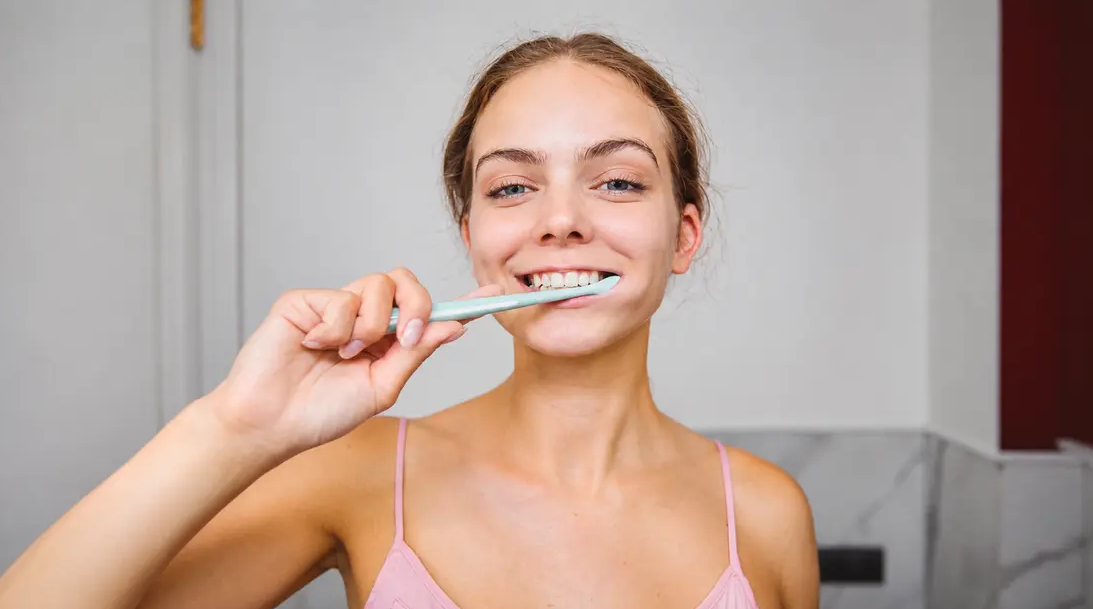
Brushing your teeth every day may seem like one of the simplest parts of a daily routine, but according to an experienced dental expert, many people are making mistakes that could gradually damage their teeth and gums. From choosing the wrong toothbrush to brushing too aggressively or rinsing away toothpaste immediately, small habits can make a significant difference to oral health.
Professor Emeritus Murray Thomson from the University of Otago has spent more than three decades educating generations of dentists and has authored nearly 500 professional papers. Drawing on his extensive clinical experience and scientific knowledge, he has highlighted several common mistakes people make when looking after their teeth, according to Stuff.
Always Choose a Soft Toothbrush
One of the most important recommendations from Thomson is to use a soft-bristled toothbrush rather than one with medium or hard bristles.
He explains that dental plaque is a soft biofilm, which he also describes as a type of “mucus”. This means there is no need to scrub the teeth aggressively to remove it.
Using too much pressure or choosing a toothbrush with harder bristles can cause unnecessary damage. Over time, aggressive brushing may injure the gums and wear away dentin, the softer layer of the tooth found around its neck.
Follow a Consistent Brushing Technique
Brushing every part of the mouth is just as important as choosing the right toothbrush.
During his years in clinical practice, Thomson noticed that he could sometimes identify whether a patient was right-handed or left-handed simply by looking at how clean different parts of their teeth were.
People often pay less attention to the side of the mouth that corresponds to their dominant hand, leaving certain areas inadequately cleaned.
To prevent this, Thomson recommends following a consistent routine rather than brushing randomly.
He divides his technique into four stages, beginning with the inside surfaces of the lower teeth before moving to their outside surfaces. He then repeats the same process with the upper teeth.
“I start with the inside of the bottom teeth, then move to the outside. Then I repeat the same thing on the top teeth,” he explains.
Following the same sequence every time makes it easier to cover all areas of the mouth and reduces the likelihood of accidentally missing certain teeth.
The familiar two-minute brushing recommendation can also be a useful guideline, particularly for people who tend to rush. However, Thomson stresses that spending a specific amount of time brushing does not automatically mean the job has been done properly.
“It’s quality, not quantity,” he emphasizes, according to Index.hr.
Know When to Replace Your Toothbrush
Many people follow the traditional advice of replacing their toothbrush every three months, but Thomson does not consider changing it according to the seasons an absolute requirement.
He replaces his own toothbrush several times throughout the year, explaining that its condition is more important than following a strict calendar schedule.
“As long as the bristles are straight and holding their shape, the toothbrush is fine,” he says.
Once the bristles begin losing their shape or becoming visibly worn, it is a sign that the toothbrush should be replaced.
Store Your Toothbrush Properly and Let It Dry
Thomson would avoid keeping a toothbrush directly above the toilet because of hygiene concerns. However, he does not see a particular problem with storing it elsewhere in the bathroom.
One habit he particularly advises against is covering a toothbrush while it is still wet.
Instead, it should be left uncovered so that it can dry properly between uses.
“It’s important to let it dry. The longer it’s wet, the more bacteria can grow,” he explains.
Brushing Twice a Day Is Enough
Although some people believe that brushing after every meal is necessary for good oral hygiene, Thomson says that brushing twice daily is sufficient when done correctly.
In his opinion, brushing three times a day is “probably too much.”.
This does not mean that people should ignore oral hygiene after eating. However, those who simply want to freshen their breath after lunch do not necessarily need to reach for their toothbrush again.
Instead, Thomson suggests chewing sugar-free gum as an alternative.
Do Not Neglect the Spaces Between Your Teeth
A toothbrush cannot effectively reach every surface inside the mouth. The narrow spaces between teeth can also collect plaque and food particles, making additional cleaning important.
Thomson previously used dental floss every morning, but in recent years he has switched to small interdental brushes, which are designed to clean between individual teeth.
He describes these brushes as “wonderful” and recommends making interdental cleaning a regular part of oral hygiene.
According to his advice, cleaning between the teeth two to three times a week is ideal, although doing it more frequently is also encouraged when possible.
Never Rinse Your Mouth Immediately After Brushing
Perhaps the most important recommendation concerns what people do immediately after brushing their teeth, particularly in the evening.
Thomson advises spitting out the excess toothpaste but avoiding rinsing the mouth with water afterward.
The reason is that toothpaste contains fluoride, which helps protect teeth. Washing the mouth immediately can remove much of the fluoride left behind by brushing, reducing the time it remains in contact with the teeth.
By simply spitting out the excess toothpaste and leaving the remaining residue in the mouth, fluoride has more time to provide its protective benefits.
Thomson describes the mixture of toothpaste, saliva and the particles removed during brushing as a kind of “fluid”.
It may feel unusual for people who have always rinsed their mouths after brushing, but changing this small habit can help make their evening oral hygiene routine more effective.