A proposed territorial compromise over Donbas, security guarantees modeled on NATO, and the possible lifting of sanctions against Russia are among the sensitive issues being discussed as Ukrainian, Russian and American officials meet in Abu Dhabi.
The latest round of diplomatic talks began on Tuesday, marking the first time representatives of Ukraine, Russia and the United States have held direct trilateral negotiations under American mediation.
The meeting is being led by U.S. President Donald Trump’s special envoys, Steve Witkoff and Jared Kushner. Both countries have sent senior delegations, while European representatives are holding separate consultations outside the main negotiations.
Ukraine’s delegation is headed by Rustem Umerov and Kyrylo Budanov, prominent figures in the country’s security and intelligence structures. Political representative David Arakhamia is also taking part.
Russia is represented by diplomats Yuri Ushakov and Vladimir Medinsky. Deputy Foreign Minister Sergei Ryabkov and other officials from Russia’s security and intelligence services are also among the participants.
For Trump, the negotiations represent an important opportunity to demonstrate progress on one of his major foreign policy promises. They also come at a politically difficult moment for his administration, following the Republicans’ losses in the U.S. midterm elections, which cost the party its majority in Congress.
Washington Seeks a Broader Agreement Beyond Ending the War
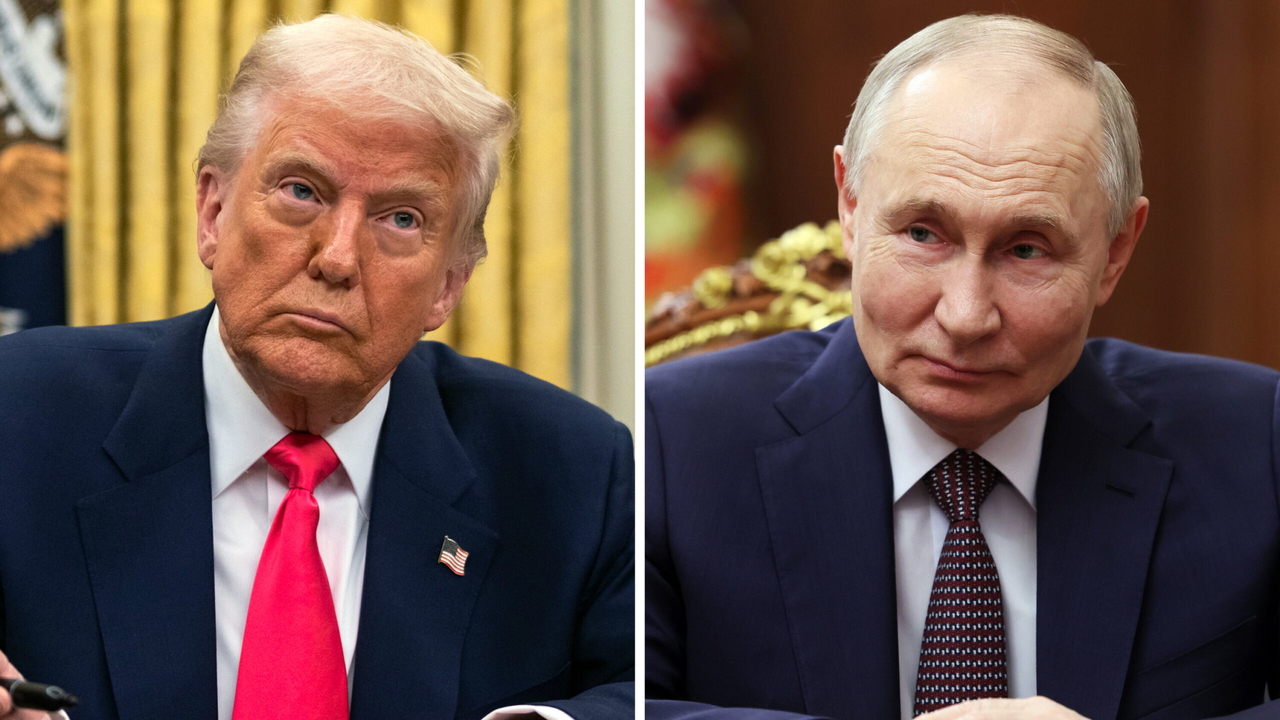
The immediate American objective is to bring Kyiv and Moscow closer to a position where the foundations of a possible agreement can be established. Any eventual deal would still require approval from Russian President Vladimir Putin and Ukrainian President Volodymyr Zelensky.
However, Washington’s ambitions appear to extend beyond securing a ceasefire. The Trump administration is exploring a broader arrangement that could also involve changes to Europe’s existing security framework.
American officials have questioned whether the current European security system is working, a position that Moscow has also supported. Nevertheless, Ukraine and its European allies remain deeply divided from Russia over what a new arrangement should look like.
Witkoff and Kushner have reportedly put forward several proposals, including ideas that have been under discussion for some time.
One of the most important concerns Ukraine’s future security. Washington is considering guarantees modeled on NATO’s protection commitments, with the aim of offering Kyiv sufficiently strong assurances without presenting Moscow with terms it would reject. Such an arrangement would also be accompanied by investments aimed at rebuilding Ukraine after the war.
A Controversial Proposal Could Change the Donbas Dispute
Territorial questions remain among the biggest obstacles to an agreement. According to The Economist, American negotiators are considering an unusual proposal involving formal changes to the administrative boundaries of the Donetsk and Luhansk regions.
Under the reported idea, the official boundaries of Donbas would be adjusted to match the territory currently controlled by Russian forces.
This could give Putin an opportunity to tell the Russian public that Moscow had “liberated all of Donbas” and achieved one of its central objectives in the war.
At the same time, Ukraine would retain control of cities and fortified positions it currently holds, including Slovyansk and Kramatorsk, without being forced to surrender the territory its forces are defending.
Another element of the American proposals concerns the possible removal of sanctions on Russia’s energy sector. However, the arrangement would reportedly include a mechanism allowing the restrictions to be reinstated if Moscow violated a ceasefire.
The revival of the NATO-Russia Council is also being discussed. The body was suspended following Russia’s full-scale invasion of Ukraine in 2022.
Ukraine’s Red Lines Remain a Major Obstacle
Zelensky has repeatedly rejected the idea of surrendering Ukrainian territory in exchange for security guarantees, particularly if those guarantees are not clearly established beforehand.
Ukraine has publicly maintained that it wants security through NATO membership rather than an alternative arrangement that merely resembles the alliance.
There are also concerns in Kyiv and several European capitals that Russia could use a peace agreement to rebuild its military capabilities and prepare for another attack if Ukraine is left without sufficiently strong protection.
American sources, meanwhile, have claimed that Ukrainian representatives have shown a willingness to compromise during private discussions. These reports have not been independently confirmed, and the leaks could also be interpreted as an attempt to put pressure on Kyiv’s negotiating team.
As an initial step, the Ukrainian delegation is considering a possible ceasefire covering the energy and maritime sectors. The idea would be to create conditions that allow negotiations to continue through additional rounds.
Moscow Wants a New European Security Order
Foreign Minister Sergei Lavrov and other Kremlin officials have repeatedly argued that ending the war must be part of a wider discussion about establishing a new European security architecture that takes Russian interests into account.
On Ukraine, however, Moscow continues to demand that Kyiv withdraw its forces from Donbas and abandon its ambition to join NATO. Russia also wants Ukraine to formally enshrine its non-membership of the alliance in its constitution.
American media reports have also suggested that Russian officials are displaying some flexibility in private discussions and have expressed a “genuine desire” to end the war.
Europe Remains Outside the Main Negotiating Table
European involvement is another sensitive aspect of the diplomatic process. Several countries are concerned about being sidelined as Washington and Moscow take the lead, while divisions within Europe and the lack of direct negotiating channels with the Kremlin complicate their position.
The European side, led by European Commission President Ursula von der Leyen and French Foreign Minister Jean-Noël Barrot, has joined the Abu Dhabi process through a separate initiative.
However, European representatives are not participating in the main trilateral meetings because of Russian opposition. Instead, they are conducting separate consultations.
Some European governments fear that Washington could eventually make concessions to Moscow over NATO’s role or pressure Ukraine into accepting unfavorable conditions to secure peace.
At the same time, several European leaders have called for direct communication with the Kremlin to resume. Among them are the president of Finland and the prime minister of Norway, who argue that expecting the war to end without dialogue with Moscow is unrealistic.
Despite hopes that the Abu Dhabi meetings could produce progress, a final peace agreement or ceasefire is not expected to be signed during this round of negotiations.
Attention is also expected to turn to a planned meeting in Beijing next week concerning nuclear weapons, where the presidents of China, Russia and the United States are expected to meet.