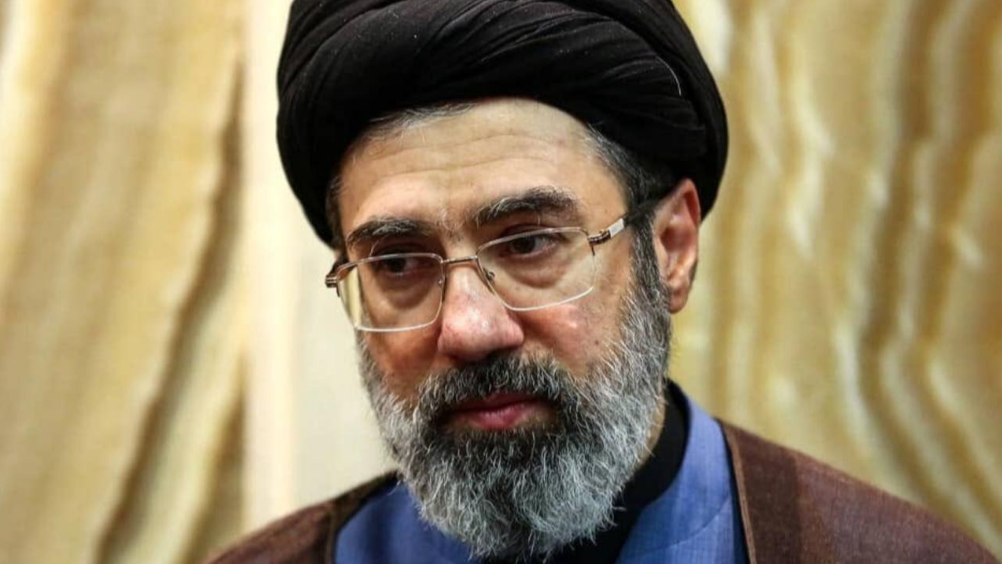
Iran’s Supreme Leader Mojtaba Khamenei has issued a fresh warning to the United States and Israel, declaring that Tehran will determine when and under what conditions the conflict ends if military attacks against the country resume.
In a statement broadcast by Iranian state media, Khamenei said any renewed military or alleged terrorist operations against Iran would trigger a response determined by the country’s armed forces and its population. His remarks signal that Iranian leadership is not prepared to accept externally imposed conditions for ending the confrontation.
The warning comes amid continuing uncertainty across the Middle East, where tensions between Iran, the United States and Israel remain high despite previous diplomatic efforts aimed at preventing another escalation.
Khamenei also reportedly called on military commanders to prepare for potential new threats, emphasizing that Iran must be capable of responding quickly and effectively if further attacks occur.
During his latest remarks, Khamenei made clear that Iran intends to retain control over decisions concerning the duration and conditions of any future confrontation.
He warned that if the country faces additional military or terrorist attacks, the response would rest with its armed forces and the Iranian people.
“It is the armed forces of the Islamic Republic and the Iranian nation that will determine the time and conditions for their end,” Khamenei declared.
Khamenei’s warning followed a meeting with senior military officials, during which he reportedly instructed commanders to ensure that Iran could deliver an immediate and effective response to potential threats.
One particularly significant aspect of the instructions concerned the geographical reach of any future military response.
According to reports carried by Iranian media, commanders were told to prepare for operations without geographical restrictions, suggesting that Tehran wants to maintain the ability to respond beyond its immediate borders.
Khamenei also ordered an update to the country’s list of potential targets, with American and Israeli military assets reportedly included within the operational range of Iranian forces.
The instructions indicate that Iranian military planning is taking into account the possibility of another confrontation involving both Washington and Jerusalem.
Iran Warns That Another War Could Spread Across the Region
Khamenei’s comments were preceded by a separate warning from Mohammad Akraminia, a spokesperson for the Iranian military.
Akraminia said that a new war could involve a significantly wider geographical area if US President Donald Trump decided to launch another military operation in the region in coordination with Israel.
Such a scenario would raise concerns for countries across the Middle East, particularly those hosting American military installations or situated near areas where Iranian forces and allied groups could become involved.
The potential consequences would also extend beyond the battlefield. A wider conflict could threaten commercial shipping, disrupt energy supplies and increase uncertainty in international markets.
One of the most sensitive locations in this context is the Strait of Hormuz, a strategically important maritime passage through which a substantial share of the world’s seaborne oil trade travels.
Any disruption to shipping through the strait could have consequences for global energy prices, making the security of the waterway an important concern for governments well beyond the Middle East.
How the Conflict Reached Its Current Situation
The latest exchange of warnings comes after a major escalation on February 28, when the United States and Israel launched military strikes against Iran.
Tehran subsequently responded with attacks across the region, raising fears that the confrontation could expand into a much larger conflict involving additional countries and military forces.
Diplomatic efforts have attempted to prevent the situation from deteriorating further. A memorandum signed in June represented an effort to address some of the outstanding disagreements, but important questions remain unresolved.
Among the most difficult issues are regional security guarantees and the future of maritime navigation through the Strait of Hormuz.
For Iran, maintaining control over its security decisions and preserving its ability to respond to external threats remain central elements of its position.
For Washington and Jerusalem, however, Iran’s military capabilities and its potential influence across the region remain major security concerns.
What Khamenei’s Warning Could Mean for the Region
The latest statement does not necessarily mean that another round of fighting is imminent. However, it highlights how fragile the situation remains and how difficult it may be to achieve a lasting diplomatic solution.
At the same time, the reported instructions to update potential targets and prepare for responses without geographical limitations indicate that Iranian authorities are taking the possibility of renewed hostilities seriously.
A renewed confrontation could also place additional pressure on neighboring countries, international shipping routes and the broader global economy.
Much will depend on whether diplomatic channels can address the unresolved security disagreements before another military incident triggers a wider escalation.
For now, the exchange of warnings underscores the uncertainty surrounding the conflict. While neither side’s next move is certain, Iran’s leadership has made its position clear: Tehran intends to have a decisive role in determining the conditions under which any future confrontation comes to an end.