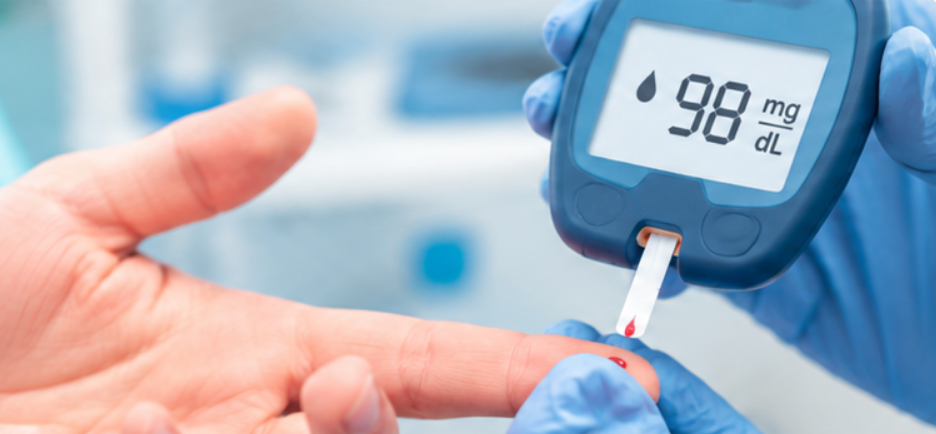
A cup of coffee, a biscuit, or even a light breakfast can affect the results of a blood glucose test. Although these may seem like small things, what you eat or drink before having your blood drawn can make a difference, particularly when the test is intended to measure fasting blood sugar.
For anyone planning to visit a laboratory to check their glucose levels, understanding the preparation requirements is essential. Eating before the test, drinking certain beverages, or failing to follow fasting instructions may produce results that cannot be accurately compared with the diagnostic thresholds used for fasting blood glucose.
In most cases, a fasting blood glucose test requires avoiding food and calorie-containing drinks for at least eight hours before the blood sample is collected. During this period, plain water is generally the only permitted drink.
However, fasting is not required for every type of blood sugar test. Knowing which examination has been requested, how long to avoid eating, and how the results are interpreted can help prevent unnecessary confusion.
What Are Normal Fasting Blood Sugar Levels?
Fasting blood glucose is commonly used to identify potential problems with the body’s ability to regulate blood sugar. The result is measured after the required fasting period and can help doctors determine whether glucose levels fall within the normal range.
According to the American Diabetes Association (ADA), fasting plasma glucose levels are interpreted using the following thresholds:
Below 5.6 mmol/L – Normal
5.6–6.9 mmol/L – Prediabetes
7.0 mmol/L or higher – Diabetes range
The World Health Organization (WHO) uses a different threshold when identifying impaired fasting glucose. Its criteria generally classify fasting glucose between 6.1 and 6.9 mmol/L as impaired fasting glucose.
These differences mean that a result may be interpreted differently depending on which diagnostic guidelines are being followed.
It is also important to understand that a single elevated reading does not automatically confirm diabetes, particularly in someone who has no typical symptoms. In such cases, doctors generally recommend repeating the test or using another diagnostic examination to confirm the result.
What Happens to Your Blood Sugar If You Eat Before the Test?
After eating, the digestive system breaks down carbohydrates into glucose, which is then absorbed into the bloodstream. As a result, blood sugar levels naturally increase following a meal.
The body responds by releasing insulin, a hormone produced by the pancreas that helps glucose enter cells, where it can be used for energy or stored for later use.
In healthy individuals, this process helps bring blood glucose levels back toward their normal range. However, people with insulin resistance or problems with insulin production may experience higher or more prolonged increases.
Foods such as bread, pasta, pastries, cereals, and sugary snacks can all influence blood glucose levels. The extent of the increase depends on several factors, including the amount of carbohydrates consumed, the composition of the meal, and how effectively the body regulates glucose.
Even a small snack can compromise the conditions required for a fasting blood glucose measurement.
What Should You Do If You Accidentally Eat Before the Test?
If you accidentally eat breakfast or drink something other than water before your appointment, it is important to tell the laboratory staff before the blood sample is collected.
Do not assume that a small amount of food will have no effect.
Depending on the circumstances and the type of examination requested, the laboratory may recommend postponing the test until you have completed the required fasting period.
A blood sample collected after eating may still provide useful information in certain circumstances, but its results should not be interpreted using the diagnostic thresholds established specifically for fasting glucose.
Being honest about what you consumed and when you consumed it helps your doctor interpret the findings correctly.
Does Black Coffee Affect Fasting Blood Sugar Results?
Many people believe that black coffee is acceptable before a fasting blood test because it contains very few calories and does not contain added sugar or milk.
However, coffee is not necessarily a suitable choice before this examination.
Caffeine can temporarily influence glucose regulation and insulin sensitivity in some individuals. The effects may vary depending on caffeine consumption, individual metabolism, and other factors.
For this reason, avoiding coffee before a fasting glucose test is generally the safest option, even if you normally drink it without sugar.
The same precaution applies to other beverages that may seem harmless but are not explicitly permitted by the laboratory.
The objective is to obtain a measurement under consistent fasting conditions rather than risk introducing factors that could influence the result.
Are There Other Tests Besides Fasting Blood Glucose?
Fasting blood glucose is an important diagnostic tool, but it does not always provide a complete picture of how the body manages sugar.
Some people may have normal fasting readings while experiencing elevated glucose levels at other times of the day.
For this reason, doctors may recommend additional tests depending on a person’s symptoms, medical history, and risk factors.
Hemoglobin A1c (HbA1c)
The HbA1c test measures the percentage of hemoglobin in red blood cells that has glucose attached to it.
Because red blood cells typically circulate for several months, this examination provides an estimate of average blood glucose levels over approximately the previous two to three months.
One important advantage is that HbA1c testing generally does not require fasting.
It can help doctors identify prediabetes or diabetes and monitor how effectively blood sugar is being managed over time.
Oral Glucose Tolerance Test (OGTT)
Another examination is the oral glucose tolerance test, which measures how effectively the body processes glucose after a person drinks a prepared solution containing a specific amount of sugar.
Blood samples are collected at designated intervals to observe how glucose levels change.
This test can help identify problems that may not be apparent from a fasting glucose measurement alone.
It is sometimes recommended when initial results are unclear or when a doctor needs additional information about glucose regulation.
Why One Blood Sugar Reading Does Not Tell the Whole Story
Blood glucose levels can be influenced by several factors, including age, medication use, physical activity, illness, stress, and the body’s natural hormonal changes.
For this reason, interpreting laboratory results requires more than simply comparing a number with a reference range.
A result above the normal range does not necessarily mean that someone has diabetes. Similarly, a normal fasting reading does not always rule out other forms of glucose intolerance.
Doctors consider the overall clinical picture, including symptoms, family history, previous test results, and other relevant health information, before making a diagnosis.
For people taking insulin or other diabetes medications, preparation requires particular attention. Skipping meals or changing medication schedules without medical guidance can cause blood glucose levels to become dangerously low or otherwise disrupt treatment.
Anyone using glucose-lowering medication should therefore ask their healthcare provider how to prepare safely before fasting laboratory tests.
Ultimately, preparing correctly before a blood sugar test is a simple but important step toward obtaining reliable results. Avoiding food and calorie-containing drinks for the recommended period, drinking only plain water, and following laboratory instructions can help ensure that fasting glucose measurements are interpreted appropriately.
Combined with regular health checks and professional medical guidance, accurate testing can help identify early changes in glucose regulation and create opportunities to address potential problems before they progress.