At least four people have died and another has been injured after Storm Adam triggered severe flooding across southern France, inundating roads, disrupting transport and forcing residents to seek emergency shelter.
The storm brought heavy rainfall and rapidly rising water levels on Tuesday, leaving several communities struggling with the consequences of the extreme weather. Floodwaters swept through streets and affected multiple areas, while emergency services responded to reports of people caught in dangerous conditions.
According to the BBC, the flooding caused widespread disruption across parts of southern France, with some of the most serious incidents reported in the Bouches-du-Rhône department and on the Mediterranean island of Corsica.
The Bouches-du-Rhône region was among the areas affected by the storm, with two women, aged 86 and 26, found dead in a flooded basement.
The circumstances surrounding the incident illustrate how quickly floodwaters can create life-threatening conditions, particularly in enclosed spaces where escape routes may become inaccessible.
Basements are especially vulnerable during intense rainfall because water can accumulate faster than drainage systems can remove it. When entrances and stairways become submerged, people inside may have very little time to reach safety.
Although the full sequence of events surrounding the two women’s deaths was not detailed in the initial reports, their deaths were among the most serious consequences of the storm.
Floodwaters Disrupt Roads and Daily Life
Beyond the fatalities, Storm Adam caused widespread disruption to communities across southern France.
Rising water levels flooded roads, making travel difficult and interrupting normal transport operations. Such conditions can leave motorists stranded and prevent emergency vehicles from reaching affected areas as quickly as needed.
Heavy rainfall can also overwhelm drainage infrastructure, particularly when large volumes of water fall within a short period. Once roads become submerged, it can be difficult to determine the depth of the water or whether the underlying surface has been damaged.
The situation required local authorities and emergency services to respond to incidents across several locations as residents faced increasingly difficult conditions.
Corsica Also Hit by Severe Weather
The storm’s impact extended beyond mainland France, reaching Corsica, where flooding was also reported.
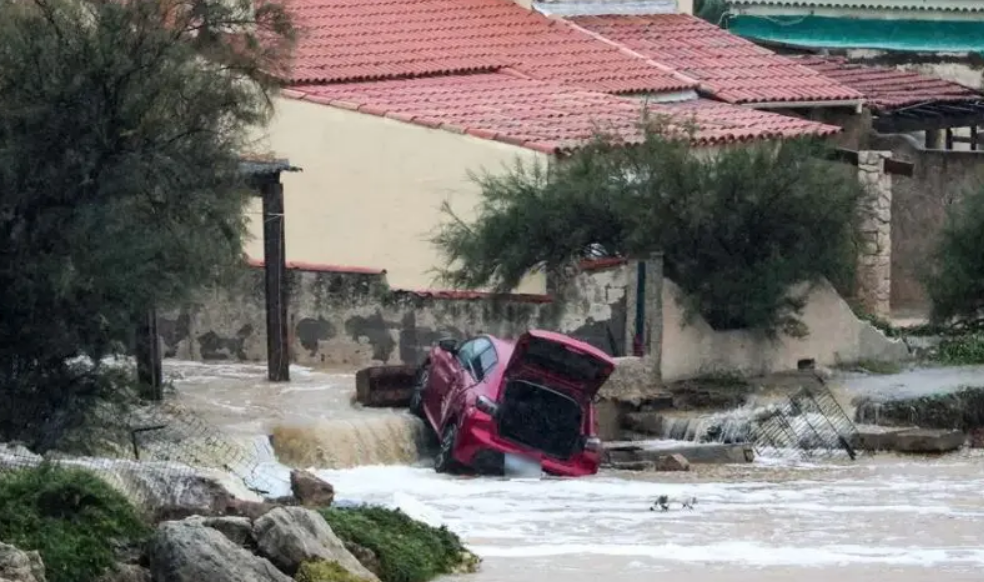
Local media reported that a four-wheel-drive vehicle was swept away by floodwaters on Tuesday. The incident demonstrated the dangers of attempting to drive through areas where water is moving rapidly or has covered the road.
One person inside the vehicle managed to escape through a window, while another man was later found dead.
Even vehicles designed for difficult terrain can be vulnerable when confronted with powerful flood currents. Moving water can exert considerable force against a vehicle, potentially carrying it away before occupants have time to react.
Why Flooded Roads Can Become Dangerous
Flooding can transform an otherwise familiar road into a hazardous environment within minutes. Water may conceal potholes, debris, damaged road surfaces or sections where the ground has been washed away.
Drivers can also underestimate the strength of moving water, especially when the depth is difficult to judge. A vehicle does not need to be completely submerged for its occupants to face serious danger.
These risks are particularly significant during severe storms, when rainfall can continue to increase water levels even after flooding has already begun.
The incident in Corsica added to the toll from Storm Adam, as emergency responders dealt with the consequences of the extreme weather across different parts of the country.
Residents Evacuated as Flooding Spreads
The towns of Mouriès and Saint-Martin-de-Crau, located between Montpellier and Marseille, were among the communities affected by the flooding.
Dozens of residents sought refuge in emergency shelters as conditions deteriorated. Local officials also confirmed that one person had been injured in the area.
The use of emergency accommodation provided temporary shelter for people who could no longer safely remain in their homes or who needed assistance while floodwaters affected their surroundings.
Flooding can create difficulties beyond the immediate threat to life. Residents may lose access to essential services, encounter blocked roads or be unable to return home until authorities determine that conditions are safe.
Local emergency responses often involve coordinating shelter, assessing damaged infrastructure and monitoring water levels as the situation develops.
However, the initial reports did not provide a complete assessment of the damage caused by Storm Adam or indicate how long affected residents might need to remain away from their homes.