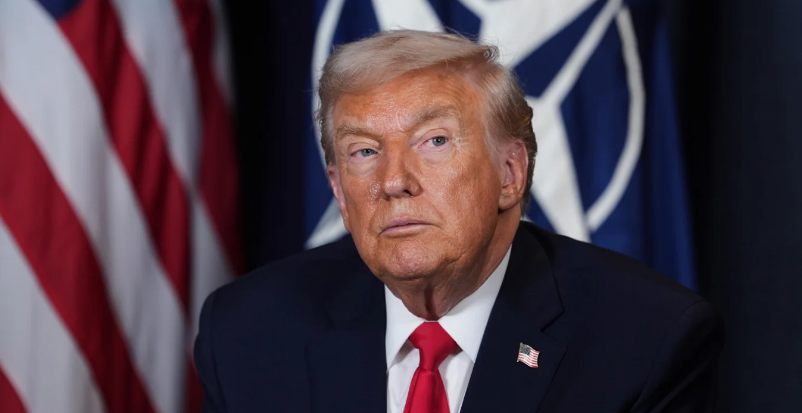
U.S. President Donald Trump has once again expressed optimism that the war in Ukraine could be approaching its end, saying that efforts to bring the conflict to a close have brought the parties closer to peace than ever before.
Trump made the remarks while discussing the release of Steven Hubbard, a retired teacher who had been detained by Russian authorities after fighting on Ukraine’s side. According to the American president, the release followed a conversation with Russian President Vladimir Putin about ending the war, although Moscow did not receive anything in return for the decision.
The comments come as renewed attention is being directed toward possible diplomatic efforts involving Washington, Moscow and Kyiv. Statements from Russian officials have also suggested that the conflict could be moving toward a new phase, with the possibility of further negotiations being discussed.
However, despite the positive tone of these statements, a final agreement to end the war has yet to be confirmed.
Trump Says Peace With Ukraine Could Be Closer Than Ever
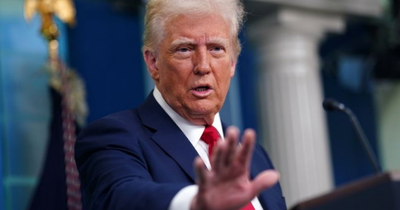
Speaking during a roundtable discussion on cybercrime at the White House, Trump reiterated his belief that the war in Ukraine could soon come to an end. He linked his optimism to ongoing communication with Putin and the recent release of Hubbard from Russian custody.
The president indicated that his conversation with the Russian leader had included a discussion about bringing the conflict to a conclusion. During that exchange, Trump said he had asked Putin to release the retired American teacher.
“I said, ‘Can you release Steven Hubbard?’ … and now he is coming back,” Trump said, describing the outcome of his request.
Trump also claimed that Russia had not received anything in exchange for releasing Hubbard, presenting the development as an example of what direct communication between the two presidents could achieve.
Release of Steven Hubbard Highlights Direct Contact Between Washington and Moscow
Hubbard’s release became a notable part of Trump’s latest comments about the war because it offered a concrete example of an issue discussed directly with the Kremlin.
According to Trump, the request was raised during his conversation with Putin, alongside broader discussions about ending the fighting in Ukraine. The president’s remarks suggested that diplomatic contact could help resolve individual cases while potentially creating opportunities for wider negotiations.
Nevertheless, the release of a detained individual does not necessarily indicate that the two governments have reached an understanding on the larger conflict. Negotiations over Ukraine involve much more complicated questions, including security arrangements, territorial disputes and the future relationship between Russia and Ukraine.
For Washington, Moscow and Kyiv, any lasting settlement would require decisions that extend well beyond individual prisoner or detainee cases.
Trump’s latest statement therefore reflects his confidence in the potential for diplomacy, but it does not establish that an agreement to end the war is imminent.
Russian Official Says Ukraine Conflict Is Moving Toward an End
Trump’s comments were accompanied by a similarly optimistic assessment from Yuri Ushakov, a close aide to Russian President Vladimir Putin.
Ushakov said that the conflict in Ukraine was approaching its conclusion, although he acknowledged that the precise timing remained uncertain.
“The Ukrainian conflict is approaching its end,” Ushakov said.
He added that he could not say exactly how close the parties were to reaching that point, but believed developments were moving in that direction.
His remarks are significant because they suggest that Russian officials are also discussing the possibility of an eventual end to the fighting. However, such statements should be distinguished from a formal announcement that Russia is prepared to accept specific peace conditions.
The positions of Russia and Ukraine have differed sharply on several central issues throughout the war. Any agreement would therefore depend on whether diplomatic discussions could produce terms that the parties involved would be willing to accept.
Diplomatic Signals Do Not Yet Guarantee a Peace Agreement
Statements from Trump and Ushakov have raised expectations that diplomatic efforts could gain momentum. Still, public expressions of optimism are not the same as concrete progress toward a settlement.
A potential peace agreement would need to address the conditions under which hostilities could stop, how future security concerns would be handled and what arrangements might prevent the conflict from restarting.
Ukraine’s participation would also be essential to any negotiations intended to determine the country’s future. Discussions between Washington and Moscow alone would not automatically resolve the disagreements between Russia and Ukraine.
For that reason, the latest remarks are best understood as indications that political leaders see a possible path toward negotiations, rather than confirmation that the war is about to end.