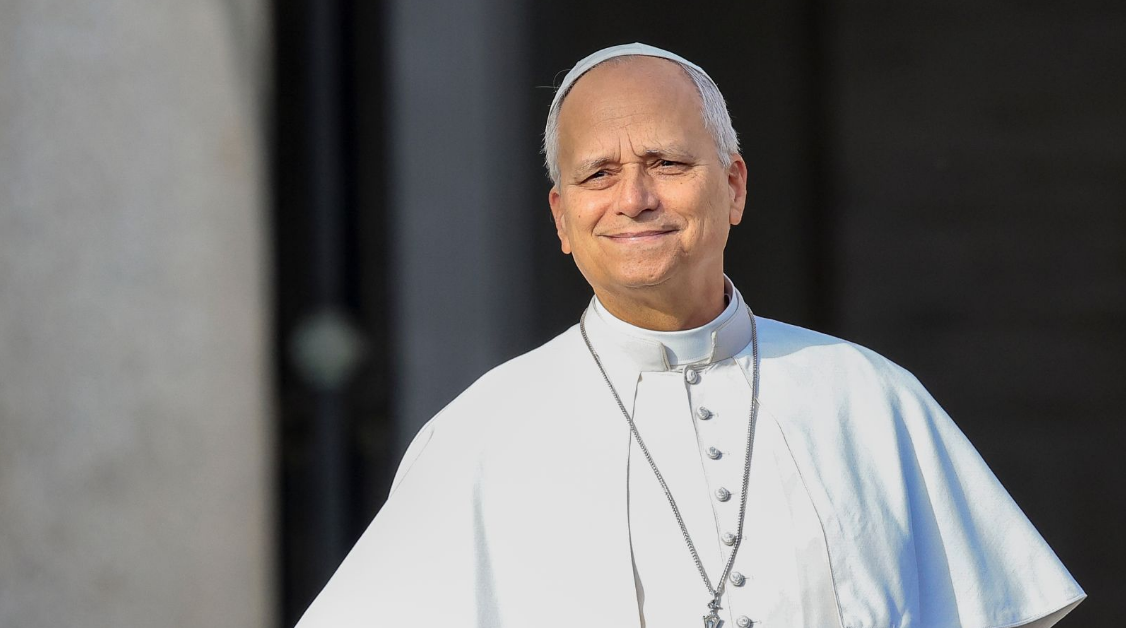
Pope Leo has received encouraging news from his medical team after doctors confirmed that he will not require further treatment following surgery for lung cancer. Final examinations showed that the tumor had not spread beyond the affected area, offering a positive outlook as the 71-year-old pontiff gradually returns to his regular duties.
The Vatican announced the results on Wednesday, explaining that laboratory analyses and molecular biology tests performed on tissue removed during surgery confirmed a diagnosis of lung adenocarcinoma, the most common type of lung cancer. Despite the diagnosis, doctors found that the disease remained localized, meaning there was no evidence that it had spread to other parts of the body.
The findings represent an important development in the Pope’s recovery, particularly given the seriousness of lung cancer and the importance of determining whether the disease has extended beyond its original location.
Pope Leo underwent surgery on October 13, during which doctors removed the lower lobe of his right lung. He was discharged from the hospital on Saturday and has since been recovering while gradually resuming his public responsibilities.
Vatican Confirms Positive Results After Pope Leo’s Surgery
The Vatican’s latest announcement provided reassurance about the Pope’s condition following the operation. According to the medical findings, the tumor was confined to the affected area, and further treatment is not considered necessary at this stage.
The diagnosis was confirmed through an examination of the tissue removed during surgery, alongside additional molecular testing. These procedures help doctors establish the precise nature of a tumor and assess characteristics that can influence decisions about treatment.
What Doctors Found in the Removed Lung Tissue
The tests confirmed that Pope Leo had lung adenocarcinoma, a form of cancer that develops in the cells responsible for producing mucus and other substances in the lungs.
Adenocarcinoma is the most frequently diagnosed type of lung cancer and belongs to a broader group of cancers known as non-small cell lung cancer. It can occur in people with a history of smoking as well as in those who have never smoked.
The extent of the disease is a critical factor in determining the most appropriate course of treatment. When a tumor remains localized and can be removed surgically, doctors may be able to eliminate the affected tissue without requiring additional therapies.
In Pope Leo’s case, the medical team reported that the final results showed no evidence that the tumor had spread. This finding helped establish that further treatment would not be needed following the operation.
However, the absence of a need for additional treatment does not mean that medical monitoring becomes unnecessary. Follow-up examinations can remain important after cancer surgery to evaluate recovery and check for any signs of recurrence.
Pope Leo Begins Returning to His Public Duties
Following his operation on October 13, Pope Leo was released from the hospital on Saturday. His discharge marked an important step in his recovery, allowing him to continue recuperating outside the hospital environment.
The 71-year-old pontiff has been gradually returning to his usual responsibilities, although his recovery remains an important consideration as he resumes a demanding schedule of public appearances and religious engagements.
On Wednesday, he returned to St. Peter’s Square in the Vatican to hold his weekly audience with pilgrims. The appearance demonstrated that he was beginning to resume some of his customary activities following the procedure.
A Gradual Return After Major Surgery
Recovering from lung surgery can take time, even when the operation successfully removes the affected tissue and no further cancer treatment is required.
Procedures involving the removal of part of a lung can affect breathing, physical stamina and overall energy levels during the recovery period. Patients generally need time to regain strength and adapt to changes in lung capacity, with progress depending on their individual health and the nature of the operation.
For the Pope, returning to public engagements gradually may allow his medical team and those responsible for his schedule to assess how well he is recovering.
His weekly audience in St. Peter’s Square is one of the most visible elements of his public role, bringing him into contact with pilgrims and visitors from around the world. His return to the event was therefore a significant development following his hospitalization.
Nevertheless, a public appearance alone does not provide a complete picture of a patient’s recovery. His medical team’s assessment and any recommended follow-up care will remain central to managing his health in the coming weeks.
Will Pope Leo’s Health Affect His Upcoming International Trip?
Despite the encouraging medical results and his return to St. Peter’s Square, questions remain about whether Pope Leo will be able to proceed with his planned international journey in November.
The pontiff is scheduled to visit Uruguay, Argentina and Peru from November 6 to November 17. The trip would involve international travel and a series of religious and public engagements, potentially placing additional physical demands on him during the recovery period.
As of Wednesday’s announcement, it had not been clarified whether his recent surgery would affect those plans.