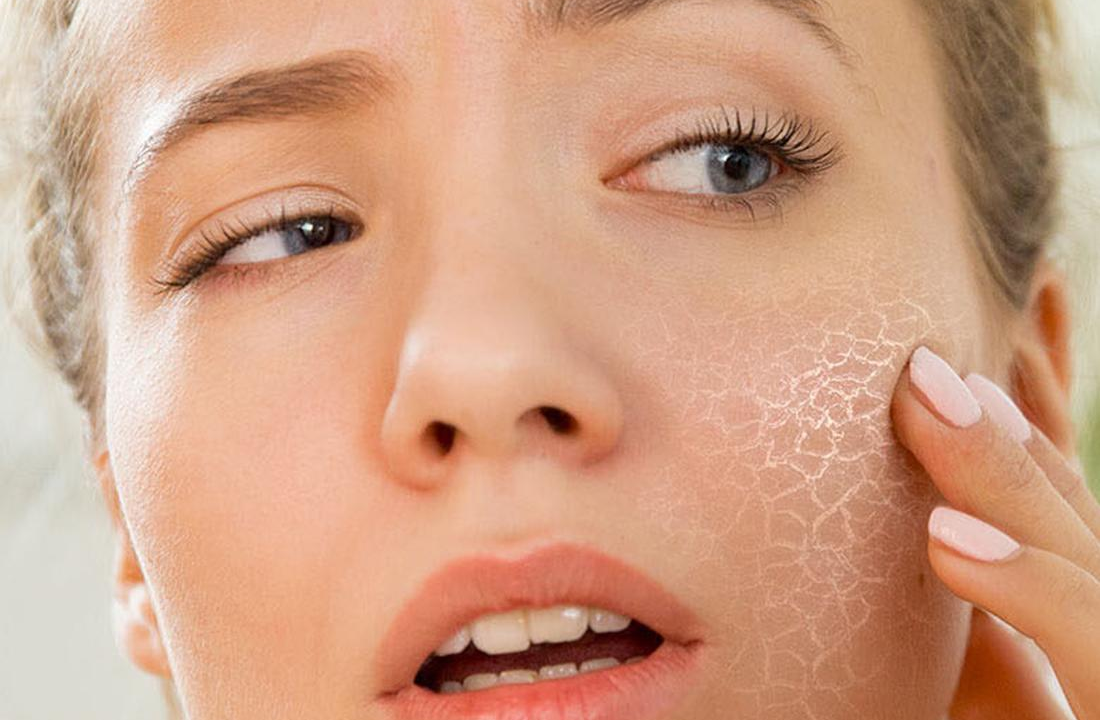
Dry skin is a common problem that can become more difficult to manage with age, but a new scientific discovery could pave the way for future treatments by targeting the biological processes responsible for keeping the skin hydrated.
Researchers at the University of Virginia have identified a specific population of stem cells and biological mechanisms that play an important role in maintaining the function of sebaceous glands. These glands produce sebum, the natural oily substance that helps protect and moisturize both the skin and hair.
When these glands do not function properly, the skin can lose moisture more easily, potentially becoming dry and more sensitive.
One of the most significant aspects of the study was the team’s ability to improve the structure of sebaceous glands in laboratory experiments. Researchers achieved this by activating a biological signaling pathway known as Notch, which plays a role in regulating cellular activity.
Following this intervention, the team observed improvements in gland structure alongside a reduction in water loss through the skin.
As people age, changes in the skin can make it harder to retain moisture. When sebaceous glands become less effective, the natural oil production that helps protect the skin may also be affected. This can leave the skin more vulnerable to dryness and sensitivity.
The University of Virginia research offers a potential explanation for how these changes could be influenced at the cellular level. By examining the relationship between stem cells, sebaceous gland structure and the Notch signaling pathway, scientists have identified a possible direction for further investigation.
The laboratory findings are especially relevant because the researchers were able not only to identify the biological mechanism but also to demonstrate that activating the pathway could produce measurable changes.
However, the discovery remains at the research stage. The experiments do not establish that activating the Notch pathway can safely or effectively treat dry skin in people, and the findings should not be interpreted as evidence that a new treatment is ready for medical use.
Further research will be necessary to determine whether the same approach could eventually be developed into a treatment suitable for humans. Scientists will need to establish how the biological mechanism works beyond laboratory experiments and whether its effects can be translated into practical therapies.