The world is on track to experience its hottest year on record, as the planet continues to warm due to climate change and El Niño, scientists told BBC News.
The latest warning comes as world leaders, climate experts, and government negotiators gather in Antalya, Turkey, for the opening of COP31, the United Nations’ latest international climate summit. The timing has placed renewed attention on the growing consequences of global warming and the urgent decisions facing governments.
According to Berkeley Earth, an independent US-based research organization, there is a 95% probability that 2026 will surpass the previous temperature record established in 2024. The assessment comes with two months still remaining in the year, suggesting that the planet could finish 2026 with a new record for global heat.
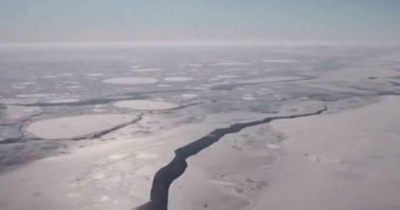
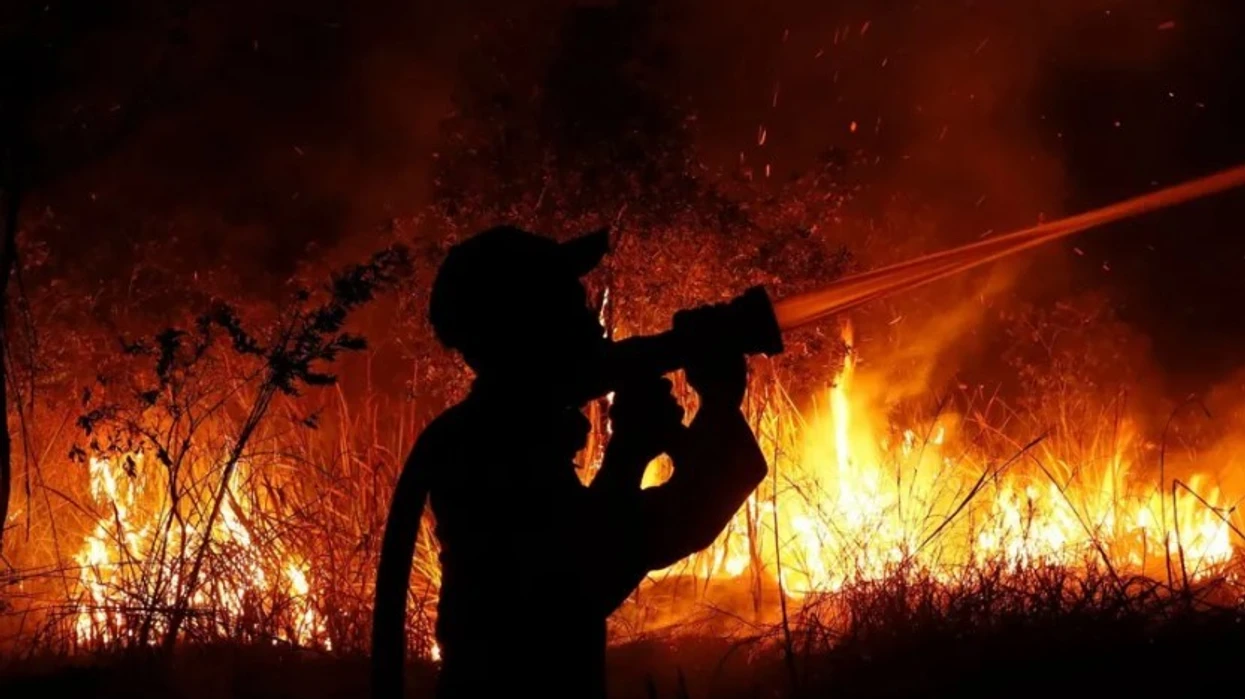
The consequences of rising temperatures have already become increasingly visible across several countries, including nations participating in the upcoming climate discussions. Widespread wildfires have affected parts of Europe, while the sudden collapse of glaciers in Nepal resulted in the deaths of more than 1,000 people.
These events illustrate the growing dangers associated with a warming climate, particularly as extreme weather conditions become more difficult for communities to manage.
Dr. Robert Rohde of Berkeley Earth said the latest temperature projections reflect a broader pattern that scientists have been observing as global warming continues.
“We’ve had a series of record warm years,” Rohde explained. “This is what we expect as global warming progresses… melting glaciers, record heat waves and droughts.”
His comments highlight how several climate-related threats are developing simultaneously. Higher temperatures can contribute to prolonged heatwaves, increase pressure on water supplies, and accelerate the loss of ice in vulnerable mountain regions.
However, Rohde also warned that the changes already being experienced could represent only a small part of what lies ahead.
“There is potential for much bigger and much more dramatic changes in the future,” he cautioned.
The warning suggests that the consequences of global warming could become considerably more severe if greenhouse gas emissions continue to increase and countries fail to make meaningful progress in addressing the problem.
Another indication of the unusual conditions came on Friday, when the European Union’s Copernicus Climate Change Service confirmed that October was the warmest October ever recorded.
The latest finding adds to the growing evidence that exceptionally high temperatures are no longer isolated events. Instead, record-breaking conditions have become a recurring feature of the global climate.
Carbon Emissions Remain the Main Driver of Global Warming
Although natural climate patterns can influence temperatures from one year to another, scientists identify the increasing concentration of carbon dioxide in the atmosphere as the primary reason for the long-term rise in global temperatures.
Much of this increase is linked to the continued burning of fossil fuels, including coal, oil, and natural gas.
These activities release greenhouse gases that trap heat in the atmosphere, contributing to the gradual warming of the planet. As concentrations continue to rise, the Earth’s climate system faces increasing pressure.
El Niño has also played a role in the recent temperature increases. This natural climate phenomenon can temporarily raise global temperatures, adding to the warming already caused by greenhouse gas emissions.
The combination of these factors has made recent years particularly hot, raising concerns about what could happen as another strong El Niño develops.
WMO Warns That 2027 Could Bring Even More Heat
The World Meteorological Organization (WMO), the United Nations’ weather and climate agency, also released its latest assessment on Monday.
Its projections were more cautious than those from Berkeley Earth. Nevertheless, the organization expects 2026 to rank among the four warmest years ever documented.
The WMO also warned that the following year is unlikely to bring significant relief. An exceptionally powerful El Niño is expected to continue into 2027, potentially pushing global temperatures even higher.
WMO Secretary-General Celeste Saulo emphasized the extraordinary nature of the latest projections, saying they “gives new meaning to the phrase off the charts.”
The warning raises further questions about how prepared countries are for the possibility of additional temperature records and more frequent extreme weather events.
Even if individual years experience temporary changes because of natural climate patterns, the underlying trend remains clear: global temperatures are continuing to rise as greenhouse gas concentrations increase.