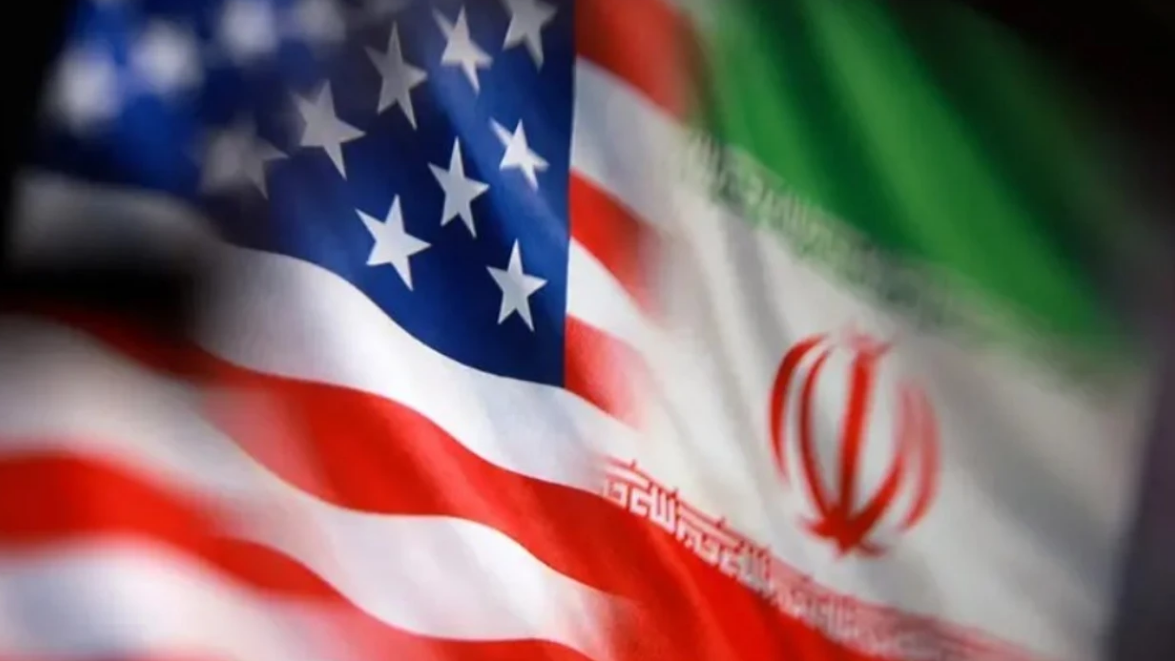
Iran and the United States remain far from reaching an agreement to end their conflict, despite intensified diplomatic efforts aimed at preventing further military escalation.
A senior Iranian official told Reuters on Tuesday that the two countries still have significant differences to overcome, even as international mediators work to bring their positions closer together. The diplomatic push comes at a particularly sensitive moment, with both sides facing pressure to avoid a return to full-scale hostilities.
The diplomatic discussions have continued against a backdrop of renewed military activity. During the night, the United States carried out what it described as defensive strikes on Iran’s Qeshm Island.
According to an American official, the operation targeted surface-to-air missile systems that were being used against US military assets. Washington has presented the strikes as a defensive measure, although the operation risks complicating efforts to maintain the fragile diplomatic process.
The Islamic Revolutionary Guard Corps (IRGC) announced that it had shot down a US MQ-9 drone over airspace above the eastern part of the Strait of Hormuz during the night. The incident adds another point of tension between the two countries, particularly given the importance of military surveillance and air operations in the region.
Despite the latest military incidents, diplomatic channels remain active. Mediators from Qatar arrived in Tehran on Monday evening to discuss a draft agreement between Iran and the United States.
The proposed framework has reportedly been under negotiation for eight days, with mediators working to narrow the differences between the two governments.
“Mediators are working intensively to narrow the gap between Tehran and Washington,” the official told Reuters.
Qatar has played an important role in facilitating communication between the two sides, particularly when direct negotiations have proved difficult. Its involvement reflects broader international efforts to prevent the conflict from escalating and to create conditions for a possible diplomatic settlement.
Strait of Hormuz Becomes Central to Negotiations
One of the biggest obstacles concerns the reopening of the Strait of Hormuz, which Iran has linked to its broader demands in negotiations with Washington.
“Tehran’s conditions must be met if the US wants the reopening of Hormuz,” the Iranian official warned, adding that nuclear talks could begin only afterward and that Tehran would not accept Washington’s “excessive demands.”
The Strait of Hormuz carries significant international importance because of the volume of oil and other energy supplies transported through the region. Any prolonged disruption could affect global energy markets, shipping costs and the economies of countries that depend heavily on energy imports.
For this reason, the waterway has become more than a regional security issue. Its future is closely connected to international economic stability, giving both sides considerable leverage but also increasing the potential consequences of a failed agreement.
Iran Warns of Strong Response to Further US Attacks
Iranian officials have also adopted a firm public position regarding the possibility of additional American military action.
A senior Iranian official told Reuters that Tehran would respond forcefully to US strikes, both within the region and beyond it.
Mohammad Baqer Ghalibaf, the speaker of Iran’s parliament, also addressed the negotiations on Tuesday, arguing that Washington must now take the next step.
“The enemy seeks to force the Iranian nation to surrender through threats and military actions, but they are wrong; Iran will not surrender,” Ghalibaf stressed on Tuesday, adding that Tehran’s response to any miscalculation by the US would be unpredictable and would not be limited by geographical boundaries
President Donald Trump expressed doubts on Monday about whether he would follow through on his threat to resume military strikes against Iran after Tuesday’s midterm elections. Trump also suggested that Iran was eager to reach an agreement with Washington as quickly as possible.