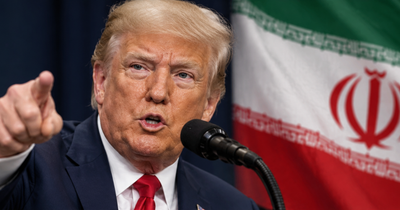
U.S. forces in the Middle East could be ready to launch a new military operation against Iran within 96 hours of an order from President Donald Trump, with potential strikes extending beyond limited military targets, CNN reported, citing two U.S. officials.
According to the officials, Washington has already deployed sufficient military assets to the region to carry out possible attacks. Any new operation could target a broader range of Iranian strategic infrastructure, marking a potential escalation in the confrontation between the two countries.
“It will be a major operation”, one of the officials told CNN.
However, Trump has not made a final decision on whether to authorize the strikes. Sources cited by the network indicated that a new military campaign could take place before the end of the year, potentially after the U.S. midterm elections.
The U.S. Central Command (CENTCOM) and the Pentagon have prepared an extensive list of potential targets inside Iran, according to CNN’s reporting.
The list reportedly includes energy infrastructure, military installations and Iranian nuclear facilities. Such targets would represent a broader scope of operations than limited strikes against radar systems and missile launch facilities.
Despite the military preparations, the timing and scale of any potential attack remain uncertain. The U.S. administration has yet to confirm that Trump has authorized a new offensive.
Washington Prepares for Possible Retaliation
U.S. intelligence assessments indicate that Iran and Yemen’s Houthi rebels are taking the possibility of renewed American and Israeli attacks seriously.
Officials have warned that a new operation could prompt retaliation against U.S. personnel and facilities across the Middle East, as well as other potential targets in the region.
In response to the security risks, the United States is expected to continue limiting staffing at some of its embassies in the Middle East. Nonessential military personnel who had been expected to deploy to the region as part of a troop rotation have also been informed that they will not be sent.
These precautions reflect concerns that renewed hostilities could expand beyond a direct confrontation between Washington and Tehran.
Netanyahu Presses Trump for New Strikes
Israeli Prime Minister Benjamin Netanyahu has reportedly urged the Trump administration to launch additional attacks against Iran, CNN reported. However, U.S. officials have asked Israel to wait until the two countries are prepared to conduct joint military operations.
An Israeli source cited by CNN said Netanyahu had attempted to persuade Trump to approve a joint strike before the U.S. midterm elections. The president did not give his approval, according to the report.
Netanyahu’s office rejected the account, describing it as “fake news”.
Meanwhile, Israeli Defense Minister Israel Katz dismissed as unfounded reports of a confrontation between the country’s political and military leadership over plans concerning Iran.
According to CNN’s sources, Israel has postponed plans for further strikes for now while preparing for the possibility of a coordinated operation with the United States at a later date.
The reported pause suggests that any future military action could depend not only on Washington’s decision but also on the readiness of both countries to operate together.
Strait of Hormuz Adds to Regional Tensions
The Strait of Hormuz remains another major source of concern as military preparations continue.
Admiral Brad Cooper, commander of CENTCOM, has visited the strategic waterway, where U.S. forces are continuing a blockade of Iranian ports and assisting the movement of commercial vessels.
Although the number of oil tankers passing through the corridor has increased, oil prices remain elevated amid concerns about possible Iranian attacks.
The Strait of Hormuz is a critical route for international energy shipments, making any disruption a potential source of wider economic consequences.
A U.S. official cited by CNN said the lack of diplomatic progress and continued instability around the strait could be among the factors influencing Trump’s decision on whether to authorize military action.
The situation therefore presents Washington with several competing considerations: military readiness, the risk of retaliation, coordination with Israel and the economic implications of further disruption to regional shipping.
No Final Decision on Military Action
Despite preparations by U.S. forces and reported pressure from Israel, a new American offensive against Iran has not been officially authorized by Trump.
The 96-hour timeframe refers to how quickly U.S. forces could potentially begin operations after receiving an order, rather than a confirmed deadline for an attack.
For now, the possibility of renewed strikes remains dependent on a decision from the White House. Until that decision is made, the scale, timing and targets of any future operation remain uncertain.