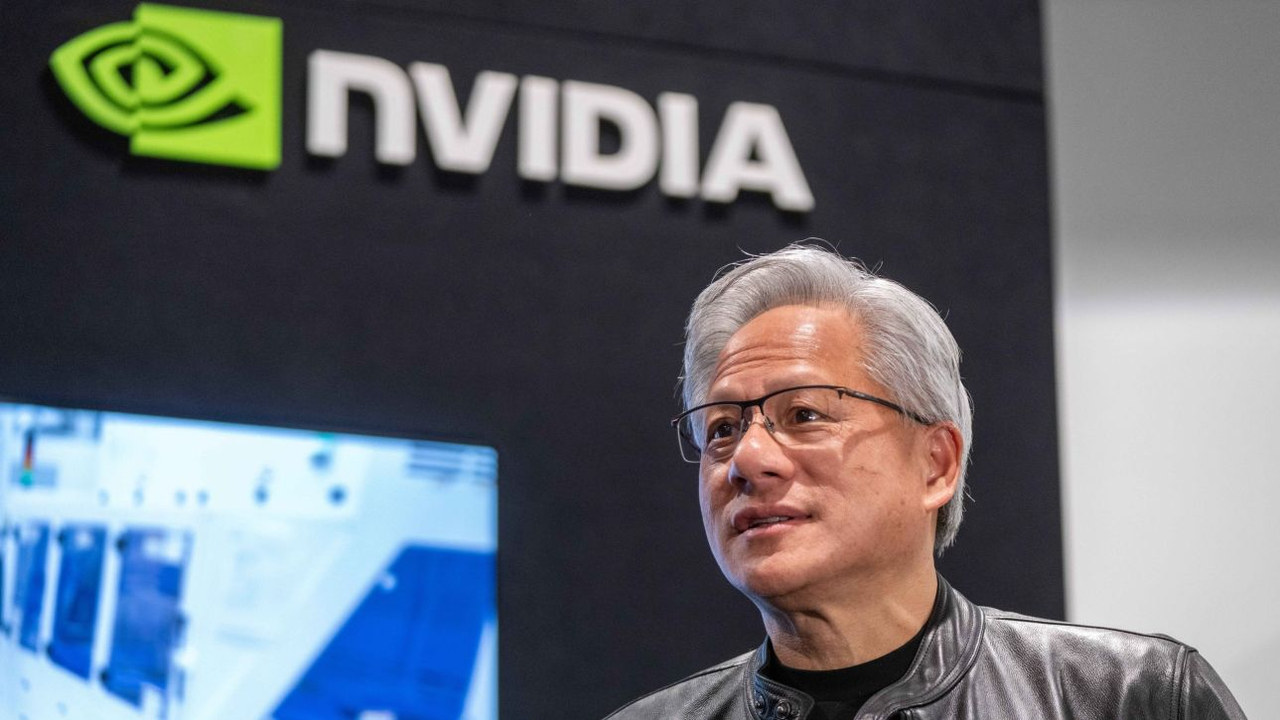
Nvidia CEO Jensen Huang has made a deeply personal apology to employees, acknowledging that his actions violated the company’s code of conduct and damaged relationships with both his family and colleagues. During an emotional company-wide meeting, the technology executive took responsibility for his behavior, admitted being unfaithful to his wife and revealed that he has been attending therapy.
Huang addressed employees during an approximately one-hour meeting on November 24, marking his first major opportunity to speak directly to the workforce since returning to the company’s leadership. His remarks covered not only the personal mistakes that triggered the leadership crisis but also the circumstances surrounding his temporary departure and eventual reinstatement as CEO.
“I made some terrible mistakes,” he declared, adding: “I was unfaithful to Lori, I hurt my children and, of course, I hurt all of you.”
The admission was particularly significant because Huang had also violated rules that he had personally helped establish. As reported by The New York Times, he acknowledged that he had contributed to writing part of Nvidia’s code of conduct, making his own failure to follow those standards even more difficult to address.
The meeting came just days after an extraordinary period of uncertainty surrounding the future of one of the world’s most influential technology companies. Huang had stepped down from his position on November 11, following concerns raised by the company’s board about his conduct.
During his conversation with employees, Huang explained that the board had thoroughly reviewed the circumstances before reaching its decision. He also rejected suggestions that his reinstatement had been arranged through political intervention or pressure from US President Donald Trump.
“This is completely untrue,” he declared.
Huang also said the board had received assurances from the Trump administration that he did not represent a national security threat and deserved a second chance. These considerations were part of the broader discussions surrounding his return to Nvidia.
The executive challenged descriptions of him as an authoritarian or abusive boss, rejecting the suggestion that his approach to running the company was as problematic as some reports had portrayed it.
He also defended Nvidia’s unusual organizational structure, which includes approximately 60 people reporting directly to him.
In his view, identifying certain individuals as potential successors could make them appear more important than their colleagues, potentially undermining the equality he wants to maintain within the leadership team.