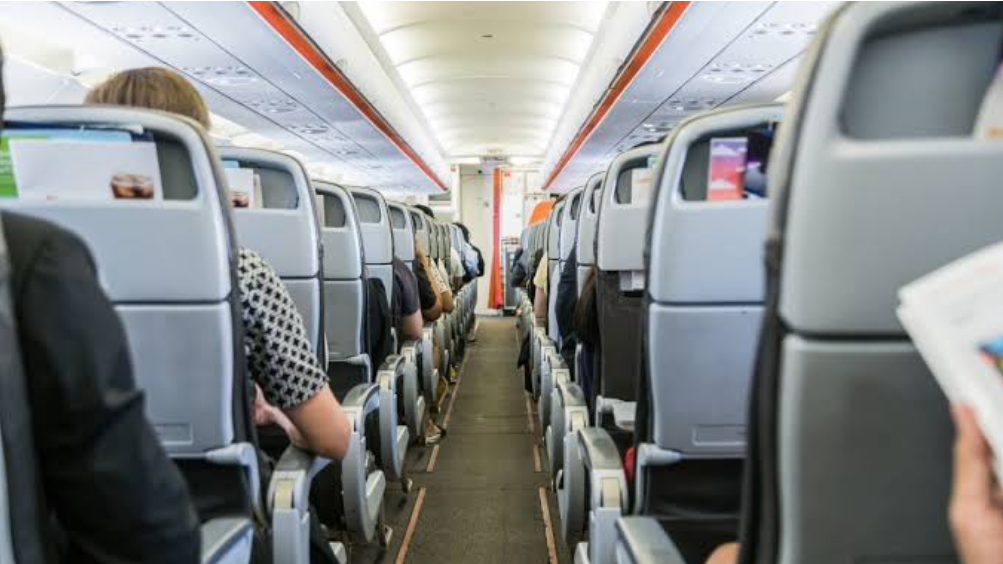
The pocket behind an airplane seat may seem like a convenient place to store your phone, travel documents, snacks, and other essentials during a flight. However, this small compartment can create unexpected problems, from hygiene concerns to lost valuables and damaged electronic devices.
Although cabin crews typically remove rubbish and tidy the aircraft between flights, seat pockets may not receive the same level of cleaning as other surfaces.
Whether you are taking a short domestic flight or preparing for a long-haul journey, knowing what not to put in an airplane seat pocket can help make your trip more comfortable and avoid unnecessary complications.
1. Passports, Wallets, and Other Valuable Documents
One of the biggest mistakes travelers can make is placing important documents or valuables in the pocket behind their seat.
Once an item slips to the bottom of the pocket, it can be overlooked when you stand up to leave.
The problem becomes even more serious if you discover the loss after disembarking. Recovering a forgotten item may require contacting airline staff, airport lost property services, or the airline’s customer support team. Depending on the airport and how quickly the aircraft departs for its next flight, getting the item back may be difficult.
Where should you keep travel documents?
Store your passport, wallet, and other essential documents in a secure, easily accessible compartment of your personal bag. Ideally, choose a zipped pocket that allows you to check quickly that everything is still there.
2. Phones, Tablets, and Other Electronic Devices
The seat pocket may appear to be a practical storage space for a phone, tablet, e-reader, or pair of headphones. However, it is not necessarily the safest place for expensive electronics.
Devices can slide around during movement, become trapped between other objects, or fall out when a passenger reaches into the compartment.
Pay attention to lithium batteries
Electronic devices and portable chargers require additional consideration because many contain lithium-ion batteries. If a battery becomes unusually hot, begins swelling, produces smoke, or shows other signs of failure, it is important to alert the cabin crew immediately.
Spare lithium batteries and power banks generally need to be carried in the cabin rather than checked baggage, subject to airline and aviation safety rules.
For this reason, keep your phone, tablet, and power bank in a secure personal bag or another appropriate location rather than burying them among miscellaneous items in the seat pocket.
3. Open Snacks and Items That Touch Your Mouth or Face
Food and personal-care products are other items that are better kept in a clean, dedicated bag.
An airplane seat pocket is used by different passengers throughout the day, and its contents may not always be thoroughly disinfected between flights. Previous travelers may have stored used tissues, food packaging, or other items in the same compartment.
Placing an uncovered snack directly inside can expose it to unwanted dirt. The same concern applies to items that come into close contact with your mouth or face, including lip balm, pacifiers, and certain personal-care products.
Keep food and personal-care items protected
If you bring snacks for the flight, keep them in their original packaging or inside a clean, resealable food container. This reduces direct contact with surrounding surfaces and makes it easier to keep your food organized.
Lip balm, cosmetics, pacifiers, and similar items should be stored in a clean pouch within your personal bag.
4. Small Items That Can Easily Disappear
Small belongings are particularly vulnerable to getting lost inside an airplane seat pocket.
Earrings, rings, USB drives, memory cards, wireless earbuds, and other compact accessories can slip into corners or become trapped in seams. Some items are so small that passengers may not realize they have dropped them until they reach their destination.
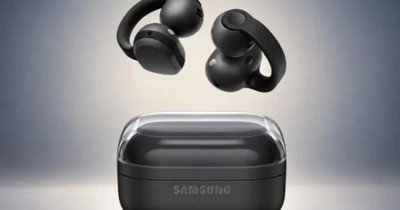
Wireless earbuds are a common example. A passenger might put them in the pocket while listening to an announcement, eating a meal, or preparing to use the in-flight entertainment system. Later, the earbuds can become buried beneath other objects or forgotten altogether.
Use a small case or zipped compartment
The simplest solution is to keep small valuables together in a dedicated case. A zipped pouch, jewelry organizer, or small storage box can prevent items from moving around and make them easier to locate.
If you need to remove a ring or other accessory during the flight, put it directly into that container rather than temporarily placing it in the seat pocket.
5. Used Tissues, Food Wrappers, and Other Rubbish
The pocket behind the seat is designed for limited storage, not as a substitute for a rubbish bin.
Leaving used tissues, chewing gum, food scraps, disposable wipes, or personal hygiene products inside creates an unpleasant experience for the next passenger. These items can also contribute to lingering odors and make the compartment harder for cleaning staff to prepare for the next flight.
What should you do with rubbish during a flight?
Use the rubbish bags provided by cabin crew when they collect waste, or ask a crew member if you need to dispose of something before the next collection.
Avoid placing used hygiene products or food waste in a shared storage compartment, even if you intend to remove them later.