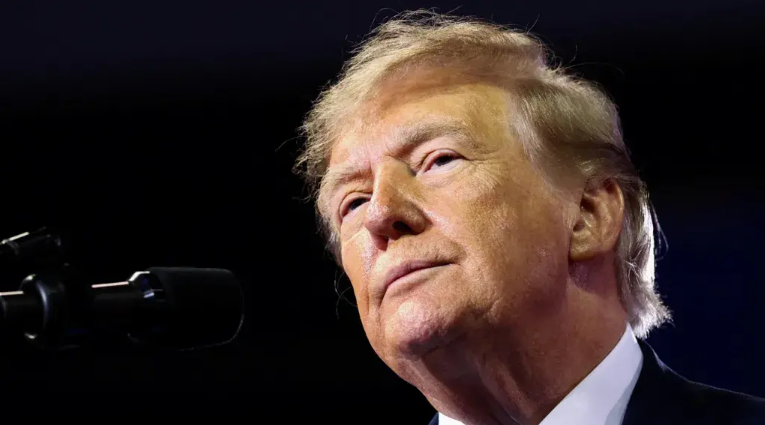
President Donald Trump has defended his decision to temporarily suspend certain sanctions against Russia, arguing that the move is intended to keep Moscow engaged in negotiations aimed at ending the war in Ukraine.
In a post on his Truth Social platform, Trump said he was working toward a peace agreement between Russia and Ukraine and did not want to take any action that could push the Russian government away from the negotiating table.
“I am in the process of negotiating peace in the Russia-Ukraine war,” Trump wrote, explaining that he wanted to avoid decisions that might unnecessarily undermine diplomatic efforts.
The decision has added to growing tensions between Washington and Kyiv, particularly as Trump’s approach to Russia continues to draw criticism from Ukrainian officials and raise questions among Western allies.
Trump Pauses Russia Sanctions Ahead of Implementation
Trump blocked a series of sanctions against Russia on Friday evening, just two days before the measures were scheduled to take effect. The restrictions had been approved by Congress and signed into law by the US president in September.
The move represents a significant development in the administration’s efforts to pursue negotiations with Moscow while assessing the potential economic consequences of additional restrictions.
US Secretary of State Marco Rubio described the decision as a 60-day pause, during which officials would examine how the sanctions could affect the American economy and global markets, according to the BBC.
Washington Weighs Diplomatic and Economic Risks
The suspension highlights the difficult balance facing the Trump administration as it attempts to advance peace negotiations while maintaining pressure on Russia over its war against Ukraine.
Supporters of the pause argue that preserving diplomatic channels could create opportunities for progress. Critics, however, may view easing restrictions as a potential concession to Moscow at a time when Ukraine continues to seek stronger international support.
The impact of the decision will depend partly on whether the temporary suspension helps produce meaningful progress toward a negotiated settlement.
Zelensky Warns Against Siding With Putin
The decision has further strained relations between Trump and Ukrainian President Volodymyr Zelensky.
Speaking to NBC News on Sunday, Zelensky warned that siding with Russian President Vladimir Putin would be a “historic mistake.” His remarks reflected Kyiv’s concerns about Washington’s willingness to adjust its policy toward Moscow while negotiations over the future of Ukraine remain uncertain.
Trump, meanwhile, accused Zelensky of being unwilling to end the war. In his Truth Social post, the US president suggested that the Ukrainian leader might never have genuinely wanted peace and argued that he could have secured a better agreement two years earlier.
Zelensky has repeatedly called for an end to the fighting and maintained that Putin is not genuinely interested in peace. Those disagreements have become a central source of tension between the two leaders since Russia launched its full-scale invasion of Ukraine in February 2022.
A Growing Divide Between Washington and Kyiv
The latest exchange of criticism underscores the challenges facing US-led diplomatic efforts. While Trump has emphasized the need to reach an agreement, Ukraine has stressed that any settlement must address Russian aggression and provide meaningful guarantees for the country’s future security.
The two governments also face difficult questions over the terms of a possible agreement, including territorial issues, security arrangements and the long-term relationship between Ukraine and its Western partners.
Russian Envoy Welcomes Trump’s Decision
Russia responded positively to the suspension of sanctions.
Kirill Dmitriev, a Russian envoy involved in diplomatic contacts, described Trump’s decision as an important and historic moment. He also argued that the sanctions could have caused serious damage to the US economy and international markets.
Moscow has consistently criticized Western sanctions, which have targeted various sectors of the Russian economy since the invasion of Ukraine. Despite those restrictions, Russia has continued to export substantial quantities of oil to international buyers.
The suspension therefore comes at a time when economic pressure and energy trade remain important elements of the broader geopolitical dispute.
Russian Oil Exports Remain a Major Issue
Despite international restrictions, Russia has continued to sell oil, particularly to China and India. Both countries have emerged as major destinations for Russian crude, often purchased at discounted prices.
According to the Centre for Research on Energy and Clean Air (CREA), China accounted for approximately half of Russia’s crude oil exports, while India represented around 37% in the period cited in the original report.
These trade flows have complicated Western efforts to reduce Moscow’s energy revenues and limit the resources available to support its war effort.
Energy Deals Add to US-Ukraine Tensions
Relations between Washington and Kyiv have faced additional pressure following a reported US agreement involving imports of Russian diesel fuel.
The arrangement has raised questions about how Washington intends to balance energy needs, economic interests and its broader policy toward Russia. It has also added another point of friction between Trump and Zelensky as they pursue different approaches to ending the conflict.
Energy remains a critical factor in the war’s wider economic consequences, influencing global markets, government policies and the financial pressure placed on Moscow.
Zelensky Seeks Support From European Leaders
The diplomatic tensions were also visible during a European Union summit, where Zelensky sought to reinforce Ukraine’s relationships with its European partners.
Following Trump’s reported comments that Zelensky was more difficult to negotiate with than Putin, the Ukrainian president said he was pleased to be among “real leaders.”
His remarks appeared to emphasize the importance of continued European support as Kyiv navigates uncertainty over the direction of US policy.
European governments have played a significant role in providing Ukraine with financial assistance, military equipment and diplomatic backing since the start of Russia’s full-scale invasion.
What Trump’s Sanctions Pause Could Mean for the Ukraine War
Trump’s decision to suspend the sanctions temporarily leaves several important questions unanswered. It remains to be seen whether the pause will encourage Russia to make concessions, lead to further diplomatic discussions or weaken the pressure intended to influence Moscow’s actions.
For Ukraine, the key concern is whether negotiations can produce a settlement that protects its sovereignty and security. For the United States, the challenge is to pursue a diplomatic breakthrough without undermining its strategic relationships or creating unintended economic consequences.
The coming weeks could therefore prove important in determining whether Trump’s approach delivers progress toward peace or deepens the divisions between Washington, Kyiv and their European allies.