The Kremlin confirmed that Russian diesel shipments had begun reaching international markets after Moscow partially lifted restrictions on oil exports on October 10. The move followed Trump’s announcement last week that Russia had agreed to increase supplies to help ease pressure on fuel prices.
Although the resumption of shipments could contribute to greater stability in the energy sector, Russian officials have cautioned that the additional supplies are unlikely to resolve broader market pressures on their own.
The latest developments come as governments, energy companies and traders closely monitor oil supplies and price movements. Any change in exports from a major energy producer such as Russia can influence market expectations, particularly when global demand, shipping conditions and geopolitical tensions remain important factors.
Russia Restarts Diesel Shipments to International Markets
Kremlin spokesperson Dmitry Peskov confirmed that Russian diesel was beginning to reach global markets, describing the development as a potentially positive step toward stabilizing oil prices.
“Diesel has begun reaching global markets and is expected to have a positive effect on stabilizing oil markets, although it will not be enough to stabilize them completely,” Peskov said.
His remarks highlighted both the potential benefits of restoring some exports and the limitations of the agreement. Additional fuel supplies can help ease pressure when markets face shortages, but the overall effect depends on the volume of shipments, the pace of deliveries and the balance between supply and demand.
Russia’s partial lifting of its export restrictions took effect on October 10, allowing some shipments to resume after the agreement announced by Trump.
The decision represents a change in Moscow’s approach to fuel exports, with the government allowing diesel to reach international buyers again. However, the restrictions were lifted only partially, meaning the move should not be interpreted as a complete return to unrestricted exports.
Primorsk Port Sees Export Activity Resume
Shipping data provided a concrete indication that Russian oil exports were beginning to recover. On Wednesday, available figures showed that shipments had resumed from Primorsk, a Baltic Sea port used for transporting Russian petroleum products to international destinations.
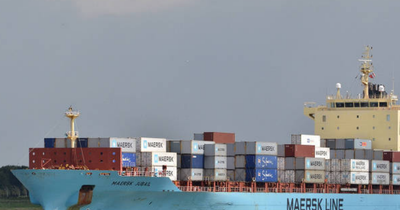
According to maritime transport data, a tanker carrying approximately 40,000 metric tons of ultra-low-sulfur diesel was loaded on October 13.
The vessel was reported to be heading toward Morocco, marking a notable development in the return of Russian fuel supplies to international trade routes.
The shipment offers an early indication that the easing of restrictions is translating into actual deliveries rather than remaining solely a political announcement. Nevertheless, a single cargo cannot establish how quickly exports will expand or how much additional fuel will ultimately reach the market.
Further shipping data will be important in determining whether the initial movement develops into a sustained increase in Russian diesel exports.
What the Agreement Could Mean for Global Fuel Prices
The return of Russian diesel supplies could help ease some pressure on international fuel markets. Diesel is an important energy product used in road transport, freight operations, agriculture and industrial activity, making its availability significant for businesses and consumers across many countries.
When supplies become constrained, fuel prices can rise, increasing operating costs for transport companies and businesses that depend on diesel-powered equipment. Additional shipments may help improve availability and reduce some of that pressure, depending on market conditions.
However, the relationship between exports and prices is not straightforward. Energy markets respond to several factors, including demand, refinery output, inventories, shipping costs and expectations about future supply.
Russia’s renewed shipments could therefore contribute to market stability without necessarily producing an immediate or substantial reduction in prices at fuel stations.
Peskov’s comments reflected this distinction. While the Kremlin expects the additional supplies to have a positive effect, it acknowledged that the move alone would not be enough to stabilize the market completely.
Why Diesel Supplies Matter Beyond the Oil Market
Diesel plays a central role in global commerce because it powers much of the heavy transport sector. Trucks use it to move goods between distribution centers and retailers, while agricultural machinery relies on it for planting, harvesting and other essential operations.
Changes in diesel prices can consequently affect more than the energy industry. Higher fuel costs may increase the price of transporting food, manufactured products and other goods, potentially placing additional pressure on businesses and household budgets.
Conversely, improved availability can help reduce supply concerns and make operating costs more predictable.
The extent of any benefit from Russian exports will depend on how much fuel reaches buyers, where those shipments are delivered and whether other producers can maintain sufficient supplies.
Why Russia’s Export Decision Matters
Russia remains an important participant in international energy trade, meaning changes in its export policies can attract significant attention from governments, traders and fuel buyers.
Restrictions on exports can reduce the amount of fuel available to international customers, while a partial reopening can provide additional volumes to the market. The effect is especially relevant when traders are already concerned about supply disruptions or rising prices.
The latest agreement with Trump places the resumption of shipments within a broader diplomatic and economic context. According to the announcement described by the Kremlin, the objective is to help increase the availability of fuel on international markets and reduce pressure on prices.
However, the long-term significance of the arrangement remains uncertain. Its impact will depend on whether shipments continue, whether restrictions are eased further and how global energy demand develops.
The available information confirms that a tanker carrying Russian diesel departed from Primorsk toward Morocco after being loaded on October 13. It does not, by itself, establish the scale of future exports or the precise effect the shipment will have on international prices.