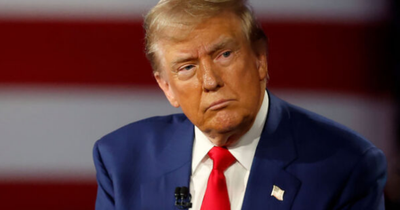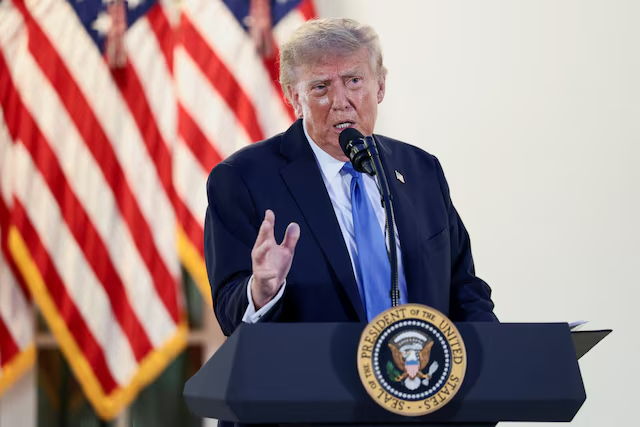
US President Donald Trump has warned that American forces could launch another major military offensive against Iran shortly after the New Year if ongoing negotiations fail to produce a concrete agreement, raising fears of a further escalation across the Middle East.
In an interview with Fox News correspondent Trey Yingst, Trump confirmed that indirect discussions with Tehran are continuing but expressed growing frustration with Iran’s approach to the negotiations. He accused Iranian representatives of avoiding direct answers and delaying the diplomatic process.
Trump described the Iranian negotiators as “professionals of evasion.”
“They only talk, but all this is nonsense,” Trump declared, suggesting that the United States could return to military action before 2027 if diplomatic efforts fail.
Trump has also issued a direct warning over any attempt by Iranian forces to challenge the American naval blockade in the Strait of Hormuz.
The warning followed reports from Iranian state media suggesting that Iranian vessels could attempt to defy the blockade. Rather than expressing concern over such a move, Trump appeared to welcome the possibility, threatening to destroy any ships that attempted to pass.
“I hope they do. They will all end up at the bottom of the sea, just like the rest of the naval fleet,” he declared.
The latest warnings come despite the extensive American military operation known as Epic Fury, which began on February 28 and inflicted serious damage on Iran’s military capabilities and leadership.
The operation also resulted in the deaths of senior figures within the Iranian regime. However, Tehran has continued carrying out attacks against oil tankers and American military installations across the region.
One of the latest incidents involved an overnight attack in Bahrain, highlighting the continuing risks faced by US forces and their regional partners.
According to information reported by The Wall Street Journal, Iran still possesses approximately 1,500 ballistic missiles and continues producing around 50 additional missiles every month.
Meanwhile, the United States has strengthened its military positioning. Two aircraft carrier strike groups have been deployed to the Arabian Sea, while American refueling aircraft have been positioned in Israel.
While Washington is preparing for the possibility of renewed military action, its allies in the Persian Gulf are increasingly concerned about the consequences of another American offensive.
Regional governments have continued pressing for a diplomatic solution, fearing that Iran could retaliate against their energy infrastructure and civilian facilities if the United States launches another major attack.
Qatar has taken a leading role in mediation efforts, attempting to keep negotiations alive and prevent the conflict from spreading further across the region.