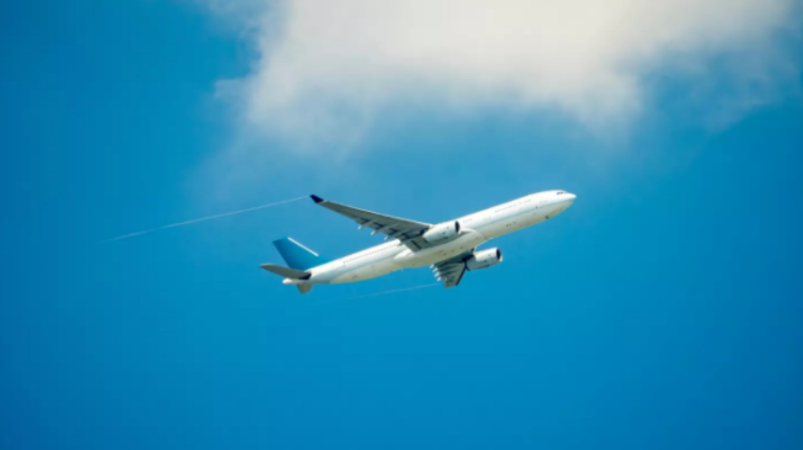
Ryanair has warned of double-digit increases in ticket prices, with fares potentially rising by as much as 20% in some cases, due to surging fuel costs following the escalation of the conflict in the Middle East.
The airline’s chief executive, Michael O’Leary, said rising fuel expenses are creating significant challenges for carriers across Europe, with passengers likely to face higher fares if energy prices remain elevated.
According to O’Leary, Ryanair may need to increase ticket prices by up to 20% to offset the additional costs. He also warned that elevated fuel prices could persist into 2027 if the conflict is not resolved quickly.
Fuel is one of the largest operating expenses for airlines, meaning significant increases in energy prices can have a direct impact on ticket prices and profitability.
Ryanair estimates that its fuel bill could increase by approximately €2 billion in the short term as market prices rise. Although the company has protected around 80% of its fuel requirements through fixed-price contracts, the remaining portion is exposed to fluctuations in the market.
This partial protection offers some stability, but it does not completely shield the airline from rising costs. If fuel prices remain high for an extended period, the additional expense could force Ryanair to reconsider its pricing strategy and other operating costs.
The potential increase in fares also comes at a time when airlines across Europe are facing pressure to maintain affordable ticket prices while managing higher expenses.
For passengers, the consequences could extend beyond Ryanair. If other carriers face similar financial pressures, travelers may find that flights become more expensive across several European routes.
Ryanair Considers Measures to Control Expenses
Alongside potential fare increases, Ryanair is considering additional measures to manage its operating costs.
One proposal involves temporarily freezing employee salaries, with the measure potentially taking effect from April next year. The airline is also considering slowing recruitment and increasing its use of artificial intelligence in administrative departments.
These steps would form part of a broader effort to control expenses if the financial pressure caused by higher fuel prices continues.
However, the proposed salary freeze has already prompted a response from the Unite trade union.
Oliver Richardson, a representative of Unite, said the union had not been informed of such an initiative. He also pointed out that the existing multi-year pay agreement covers the coming year.
The disagreement highlights the potential challenges Ryanair could face as it attempts to reduce costs while maintaining its existing commitments to employees.
Any decision involving salaries could require further discussions with employee representatives, particularly given the existing pay arrangements.
Profits Fall as Fuel Expenses Increase
Ryanair has also reported weaker financial results, reflecting the impact of higher operating costs.
The airline recorded a 16% decline in pre-tax profits, which reached €2.4 billion during the six months ending in September. The company identified a 15% increase in fuel costs as one of the main reasons behind the decline.
The results underline how rising fuel prices can affect even large, established carriers that have taken steps to protect themselves against market fluctuations.
Although Ryanair has secured fixed prices for most of its fuel requirements, the portion that remains exposed to market movements can still have a substantial financial impact when prices rise sharply.
The company must now balance the need to protect profitability with the risk that higher fares could make some flights less attractive to price-conscious travelers.
What Higher Airfares Could Mean for Travelers
If Ryanair proceeds with fare increases of up to 20%, passengers could face higher costs when booking flights, although the actual increase may vary depending on the route, travel dates and demand.
The duration of the fuel price surge will also be an important factor. A prolonged period of elevated energy costs could increase pressure on airlines to adjust fares and reconsider spending plans.
For now, Ryanair’s warning signals that the financial consequences of the Middle East conflict could reach beyond the energy market and affect everyday travel across Europe.
Whether ticket prices rise by the full amount suggested by O’Leary will depend on how fuel costs develop and how the airline responds in the months ahead.