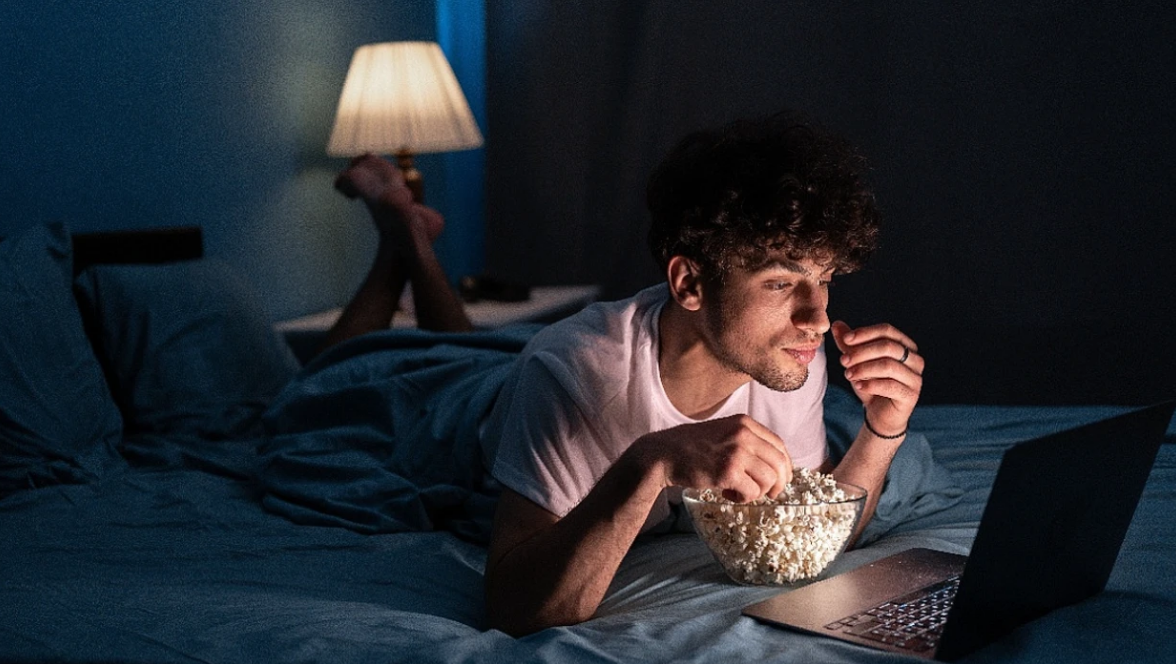
Eating habits in the evening can have a surprising impact on how well you sleep. While going to bed immediately after a large dinner may leave you feeling uncomfortable and interfere with your rest, going to sleep hungry is not necessarily a better solution. Finding the right balance between what you eat, how much you consume and when you have your last meal can make a difference in your nighttime routine.
Research suggests that both the size of an evening meal and the time it is eaten may influence sleep quality. Heavy dinners, late-night fast food and certain snacks have been associated with poorer sleep, although the relationship is not always the same for everyone.
For people who regularly struggle to fall asleep or wake up feeling tired, making a few adjustments to their evening eating habits may be worth considering.
Why Eating a Heavy Dinner Before Bed Can Affect Sleep
The body needs time to digest food after a meal. Eating a particularly large dinner shortly before lying down can make it harder to feel comfortable at bedtime, especially when the meal contains large amounts of fat, spices or other ingredients that may cause digestive discomfort.
Research from the University of Pécs in Hungary, published in the scientific journal Nutrients, examined the relationship between eating habits and sleep quality among university students.
The findings revealed that 51.7 percent of participants experienced poor sleep quality. Students who frequently ate large evening meals were almost three times more likely to report poor sleep compared with those who did not regularly consume heavy dinners.
The researchers also identified other eating patterns associated with poorer sleep.
Students who frequently replaced regular meals with fast food, as well as those who ate less than three hours before going to bed, were more likely to experience sleep difficulties.
Although these findings do not prove that late meals directly cause sleep problems, they suggest that the overall quality and timing of food consumption may play an important role.
How Long Should You Wait After Dinner?
One practical recommendation is to finish eating at least three hours before going to bed.
This gives the digestive system more time to process the meal before the body settles into its nighttime resting period.
For example, someone planning to go to sleep at 11 p.m. could aim to finish dinner around 8 p.m. This does not mean that everyone must follow the same schedule, but allowing a reasonable gap between dinner and bedtime may help reduce discomfort.
The amount of food also matters. A moderate dinner is generally a better choice than a particularly large meal that leaves you feeling overly full.
Is Eating Late at Night Always Bad for Sleep?
Not necessarily. Although some research has linked late-night eating with poorer sleep, other findings suggest that the relationship may be more complicated.
A study conducted by researchers at Johns Hopkins University in the United States examined how eating a late dinner affected sleep and overnight metabolism.
The research involved 20 healthy young adults who consumed dinner at either 6 p.m. or 10 p.m. The researchers did not identify significant differences in sleep quality following the late dinner.
However, the study was relatively small and examined participants over just one night. Its findings therefore cannot establish that eating late has no effect on sleep in the general population.
Rather than focusing exclusively on the clock, it may be more useful to consider how close the last meal is to bedtime, how much food is consumed and whether certain foods cause discomfort.
Pay Attention to What You Drink in the Evening
Food is only one part of the equation. The drinks consumed throughout the afternoon and evening can also influence how easily someone falls asleep and how rested they feel the following morning.
Caffeine is particularly important because its stimulating effects can remain in the body for several hours.
Avoid Coffee and Other Caffeinated Drinks
Coffee, energy drinks, strong tea and some soft drinks contain caffeine, which can interfere with the body’s ability to prepare for sleep.
A commonly recommended approach is to avoid caffeine during the five to six hours before bedtime. However, some people are more sensitive to its effects and may need to stop consuming it even earlier.
For someone who normally goes to bed at 11 p.m., this could mean avoiding caffeinated drinks from around 5 p.m.
Switching to caffeine-free alternatives in the evening can make it easier to maintain a consistent nighttime routine.
Is Chamomile Tea a Good Evening Choice?
Chamomile tea is often associated with relaxation and is a popular alternative to caffeinated beverages before bed.
Its mild, caffeine-free nature makes it a suitable evening drink for many people. Some research has explored its potential calming properties, although evidence that it consistently improves sleep remains limited.
Alcohol, however, deserves particular attention. Although it may initially make someone feel sleepy, it can disrupt normal sleep patterns and contribute to repeated awakenings during the night.
As a result, drinking alcohol before bed may leave a person feeling less refreshed the following morning, even if they fall asleep quickly.
Finding the Right Evening Routine
Getting better sleep does not necessarily require a strict diet or major lifestyle changes. Small adjustments to dinner portions, meal timing and evening drinks may help create more comfortable conditions for rest.
Finishing dinner around three hours before bedtime, choosing lighter meals and avoiding caffeine late in the day are practical starting points.
Ultimately, the best evening routine is one that provides enough nourishment without making digestion, hunger or stimulating drinks an obstacle to a restful night.