A major cyberattack targeting 178 organizations worldwide has raised concerns about the security of personal information, banking details and cryptocurrency holdings, prompting iPhone and iPad users to take immediate steps to protect their devices and financial accounts.
According to a report by British newspaper The Independent, the operation was designed to steal cryptocurrency, collect bank card information and obtain other sensitive data from people visiting the affected websites.
Among the organizations linked to the incident are HSBC, Zoom, IKEA, Equifax, Salesforce, BBC and CNN. The scale of the operation has raised concerns that millions of website visitors could potentially have been exposed to malicious code without realizing it.
Cybersecurity researcher Scott Helme uncovered the attack after identifying suspicious JavaScript code on the websites of affected organizations. The malicious scripts had been distributed through Optimizely, a platform companies use to manage and optimize their online presence.
One of its targets was cryptocurrency transactions. The code was designed to redirect payments intended for legitimate cryptocurrency wallets into wallets controlled by the attackers.
Bank card information was another major target. The malicious scripts were also designed to collect payment details entered by visitors while making purchases or completing transactions on affected websites.
According to the findings, the code could also gather information stored in browser cookies and capture screenshots, potentially giving attackers access to additional details about users’ online activities.
The investigation also identified capabilities involving the installation of exploit software on devices running Apple’s iOS operating system.
Three steps iPhone and iPad users should take
Following the discovery, users who visited any of the affected websites on November 16 have been advised to review their device security and financial activity.
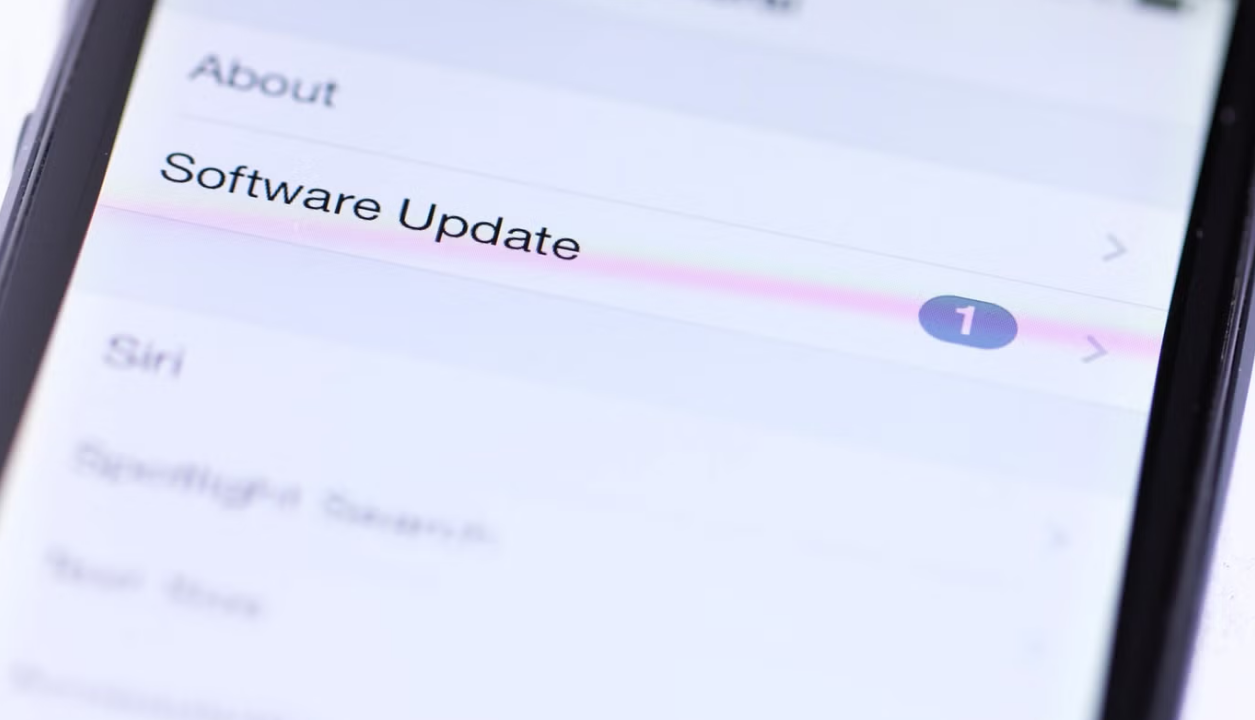
1. Update your iPhone or iPad
Users who visited the affected websites on November 16 are advised to install the latest available operating system updates.
The recommended versions are iOS 18.7.3 or later, or iOS 26.3 or later, depending on the device and its supported software version.
2. Review cryptocurrency transactions
Anyone who carried out cryptocurrency transactions on November 16 should carefully examine their transaction history.
Users should check the receiving wallet addresses and make sure that every transaction matches the details they originally approved.
Any transfer involving an unknown wallet should be treated as suspicious and investigated.
3. Check bank card payments
People who used bank cards to make payments on any of the affected websites should also review their account statements and recent transactions.
Any suspicious activity should be reported to the relevant bank or card provider as soon as possible.
Companies investigate possible exposure
The cybersecurity company HudsonRock has also confirmed that it discovered evidence indicating that the infected code had been distributed to visitors of the affected websites.
However, an important question remains unanswered: whether the attackers successfully used the malicious scripts to steal information or money.
At this stage, investigators have not established the full extent of the damage, including how many users may have been affected or whether any financial losses have occurred.
Salesforce announced that it was investigating unauthorized changes to its scripts. As a precaution, the company temporarily disabled Optimizely while examining the situation.
Equifax also stopped using the service after conducting an investigation that found no signs that its own systems had been compromised.
Scott Helme described the attack as extremely concerning, warning that the number of affected organizations could be higher than the 178 already identified.